A few months ago I had the pleasure of meeting the filmmaker Nitin Das. Nitin is the creator of the Healing Forest, a site dedicated to helping people connect with nature and lead calmer, healthier lives.
Nitin was traveling through the U.S. to meet and interview people who were also interested in nature practices. Nitin and I met up in New York City to discuss the challenges and benefits of connecting to nature in urban spaces. I described my view that many New Yorkers believe that nature isn’t here or that it doesn’t “count.” We had conversations about our shared interest in shinrin-yoku (the Japanese art of “forest bathing”) and how these ideas might interest pragmatic city-dwellers.
Nitin’s new short film, How Forests Heal People, is the outcome of his travels in the U.S. It’s a beautiful meditative film about how nature affects us. (You can glimpse me birdwatching in Prospect Park.)
Experiment with a City Nature Break
This week I encourage you to take a 20-minute solo nature break and see if it improves your mood. Here are a few ideas:
Find a quiet green spot like a garden, a remote area in a large park, a hidden pocket park, or even a roof space
For 20 minutes, pay close attention to the plants, animals, insects, clouds
If you find your mind wandering back to your To Do list, use your powers of concentration to focus on the non-human
If you feel impatient or bored, try to slow down and look more carefully
Turn your phone off for this experiment
How do you feel after this nature break? Do you feel calmer or more focused? Do you feel differently? Let me know how it goes.
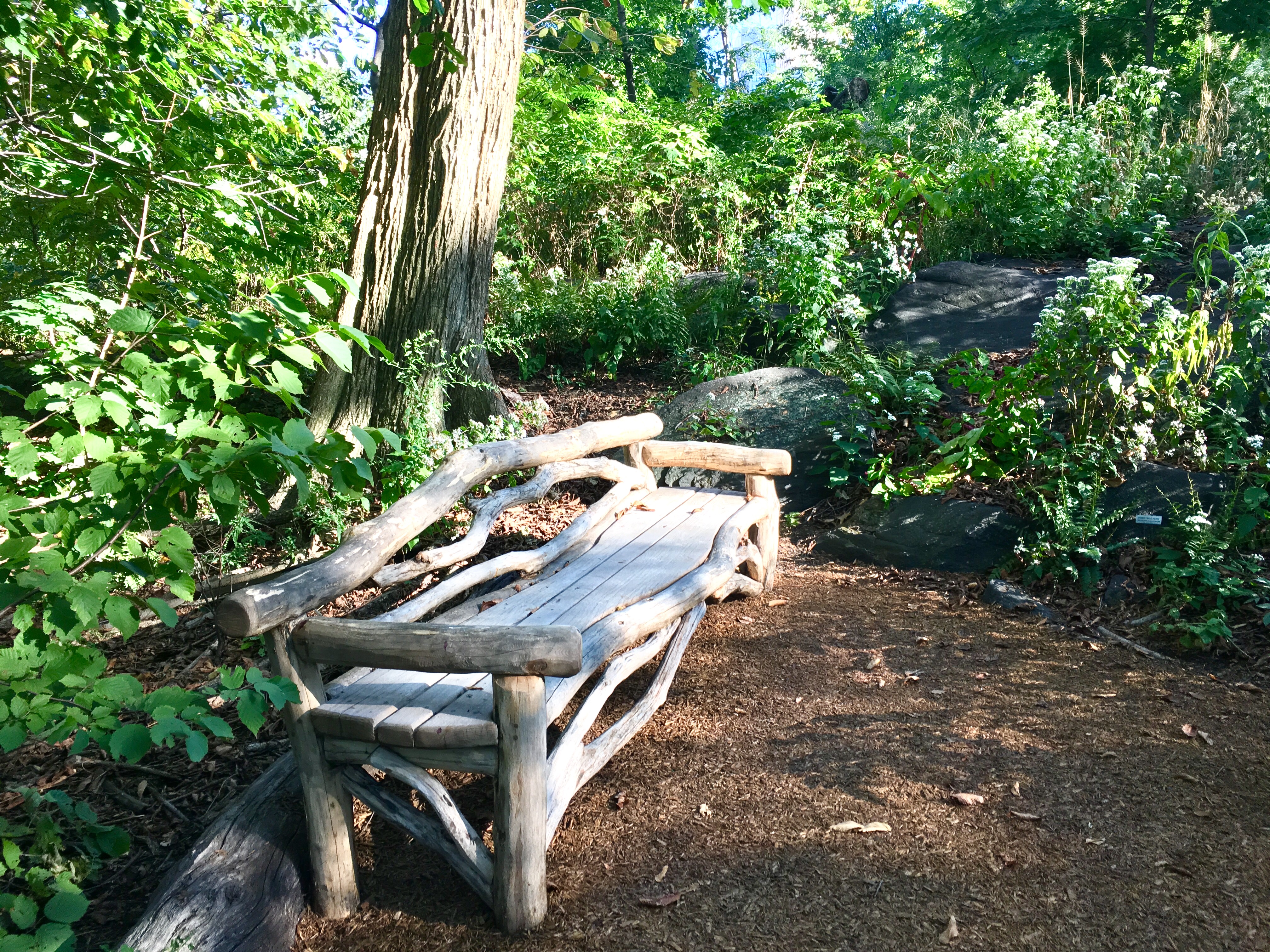
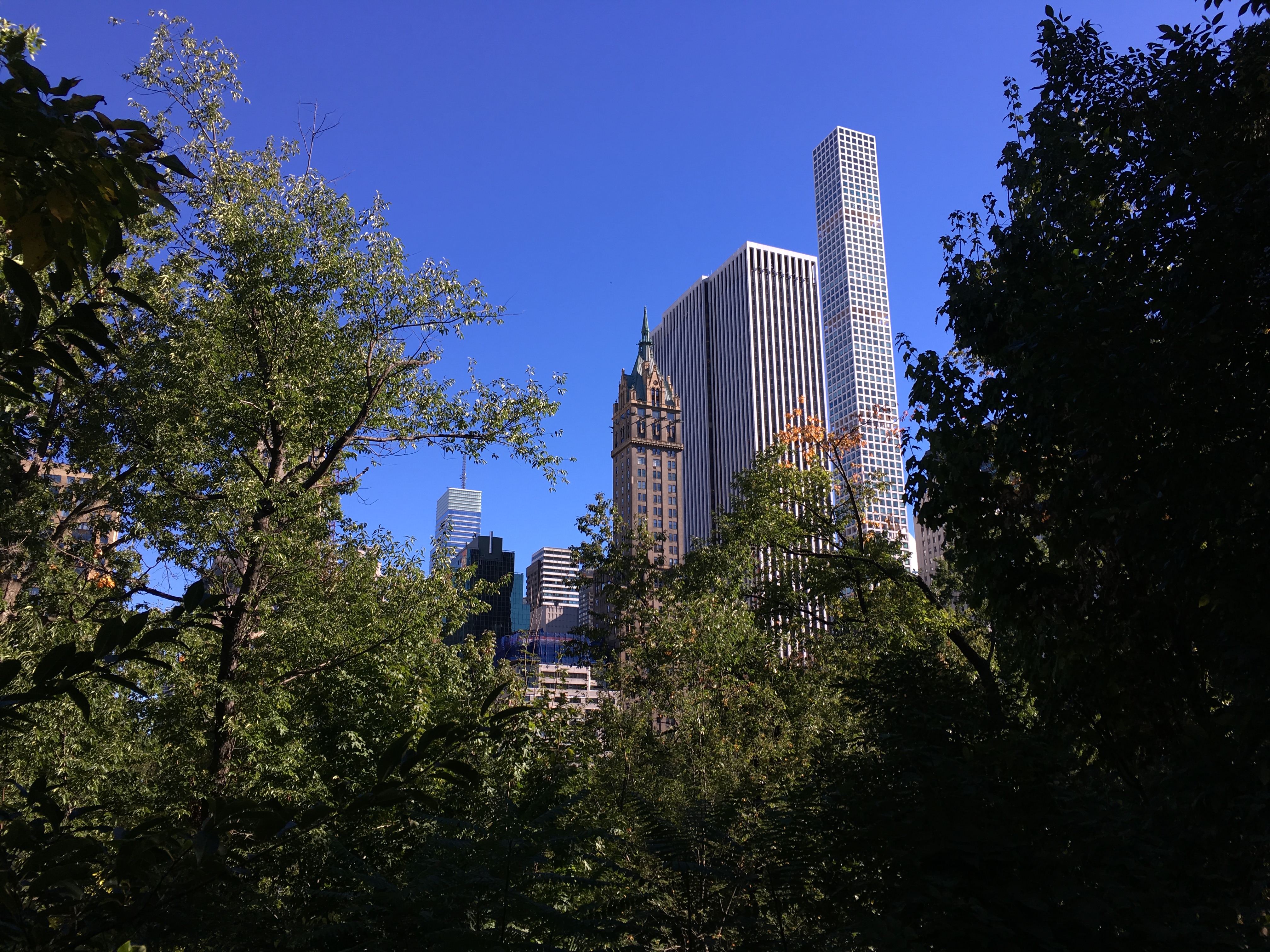
Just steps from busy 59th Street is a secret woodland that, for more than 80 years, only birds, raccoons, and the occasional coyote could visit. Now Central Park’s Hallett Nature Sanctuary is open to the public for the first time since 1934. If you time your visit right, you can explore wooded paths with stunning city views.
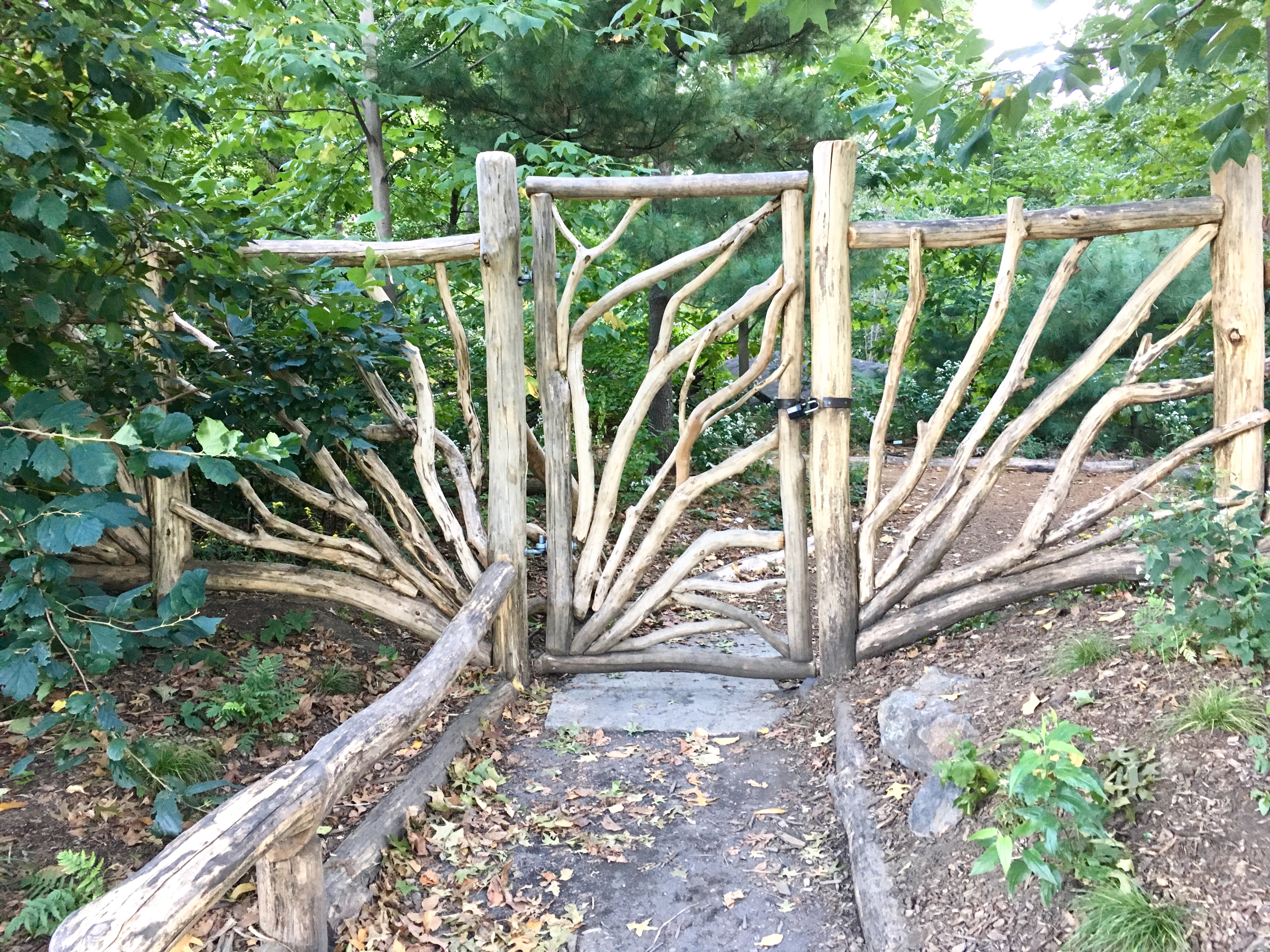
The rustic gate of the Hallett Nature Sanctuary opens periodically.
The Most Isolated Sanctuary in Central Park
The Hallet Nature Sanctuary is a four-acre woodland peninsula surrounded by the Pond at the southeast corner of Central Park.
The area was closed to the public and set aside as a bird sanctuary in 1934 by NYC Parks Commissioner Robert Moses. In 1986, the area was renamed to honor George Hervey Hallett Jr., a birdwatcher, naturalist, and civic leader.
The Hallett Nature Sanctuary is a prime birdwatching spot. It is an important feeding ground for birds flying the Atlantic Flyover migration route.
The wooded sanctuary is a wonderful spot to slow down, take a nature break, and listen to the birds. It’s only a 10-minute walk from the 6th Ave/59th Street entrance.
Revitalized and Reopened
After decades of neglect, the area was choked by invasive plants like wisteria, ailanthus, and Black Cherry. In 2001, the Central Park Conservancy began to restore the sanctuary.
Invasive plant species were removed and native plants were introduced.
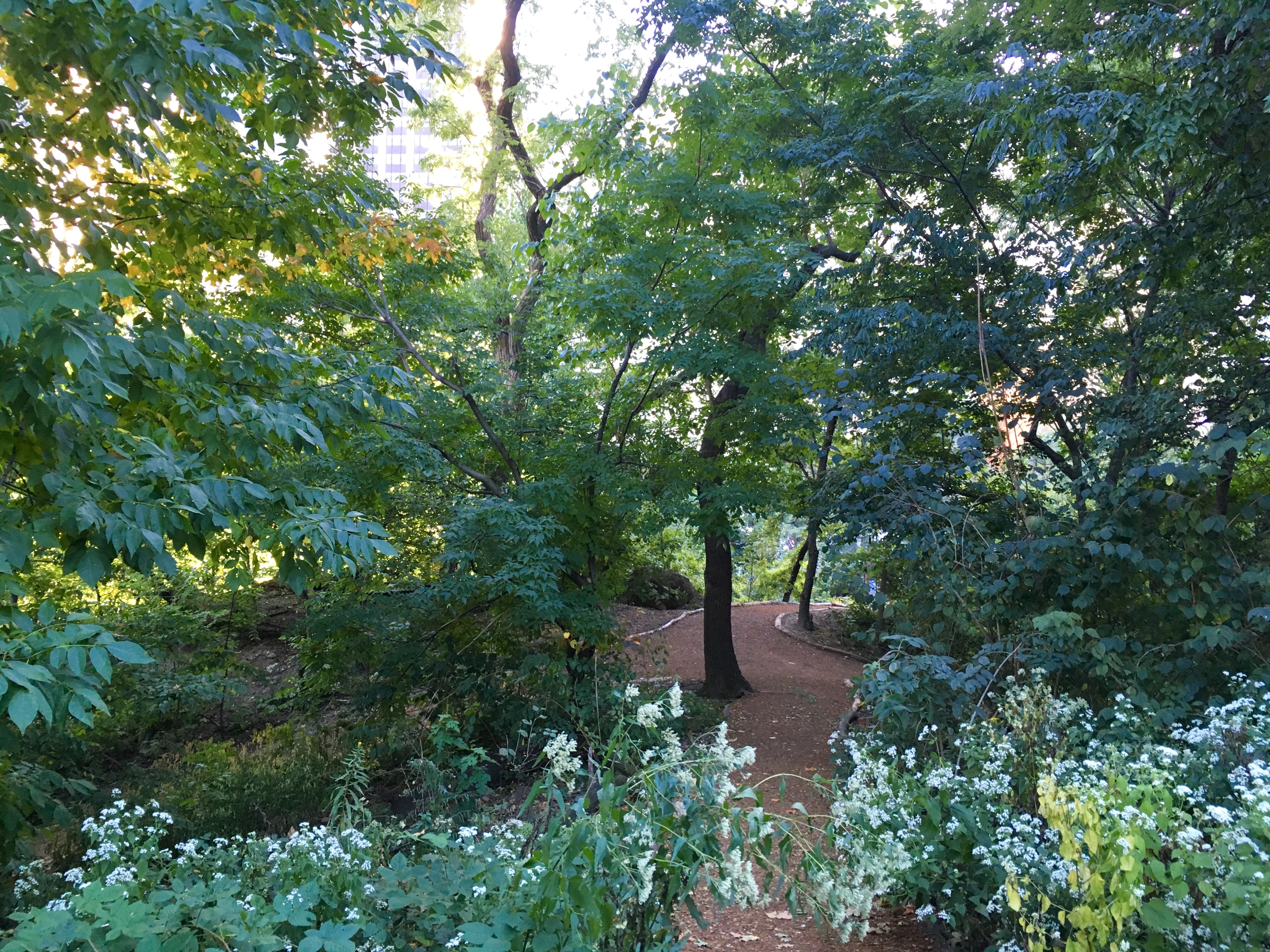
There are two paths leading to different views. A favorite moment from our visit was at the top of the Promontory.
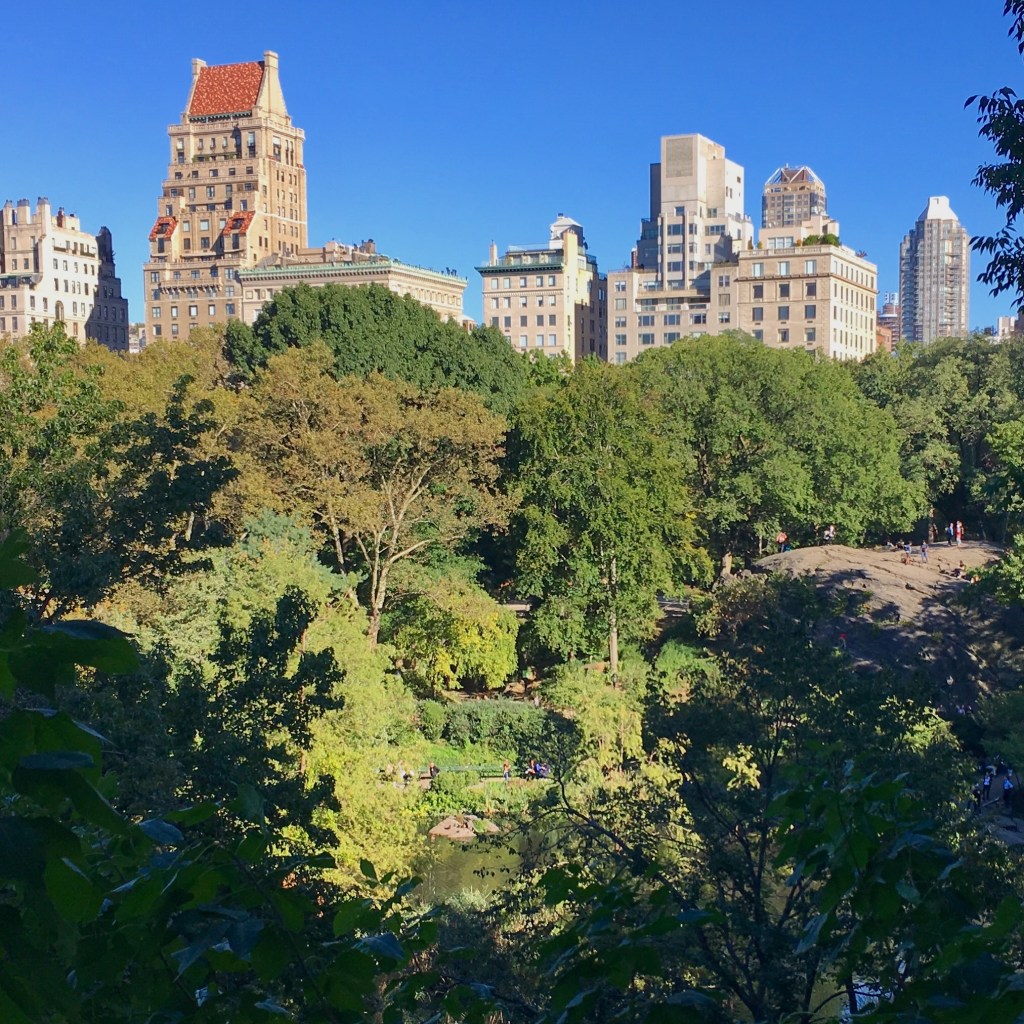
What a view over The Pond!
Plan Your Visit to the Woodland Speakeasy
The Hallett Nature Sanctuary is open regularly to the public.
As of April 2017, the Hallett Nature Sanctuary will be open daily from 10:00 am until 30 minutes before sunset. No dogs, bicycles, or strollers are permitted.
New York City offers surprising opportunities to connect with nature. You can explore forests, meadows, and beaches without leaving the five boroughs. You can watch an entire urban bestiary fly overhead or swim past.
If you just want slow down and take a contemplative walk in a grassy labyrinth, NYC has that too.
Amble Through the Battery Labyrinth
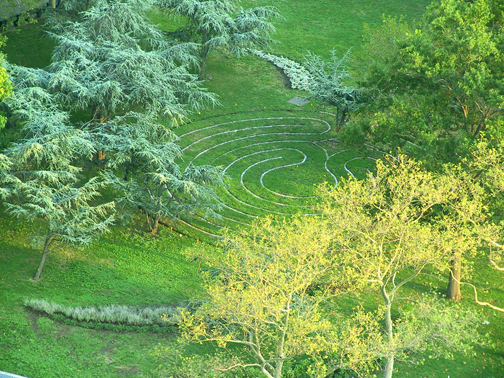
Located in the northwest corner of Battery Park, the Battery Labyrinth is a walking path that features seven circular rings and a round center. The path is three feet wide and outlined with granite blocks.
The verdant Labyrinth path of grasses, clover, and mugwort.
If you follow the circular path, you will walk approximately 358 feet to the center core and then 358 out again to the entrance.
Created by Camino de Paz, the Battery Conservancy, and the New York City Department of Parks and Recreation in 2002, the Labyrinth is a site of remembrance for victims of the World Trade Center attacks.
I recently discovered the Labyrinth and was curious about its history and uses. I learned from the Battery Conservancy site that:
A labyrinth is not a maze, in which confusion is the aim. A labyrinth encourages contemplation on a journey with a clear destination. Its goal is to create an internal balance generated by the rhythm of the walking and the mental state of no decision–making.
If you need a meditative walking moment while in the bustling Financial District (and who doesn’t), I suggest slowly walking this winding path in Battery Park. While you are there, check out the nearby Battery Urban Farm. Here’s a map of Battery Park.
More Labyrinths in New York City
Here are additional labyrinths in NYC for contemplative walks:
William Powers, a research scientist at the M.I.T., coined the term the Walden Zone in his book Hamlet’s BlackBerry: Building a Good Life in the Digital Age.
The Walden Zone is a room that contains no electronic technology or access to the internet.
Powers compared unplugging from technology to Henry David Thoreau’s famous retreat at Walden Pond: “Thoreau could be the model. Our situation is different from his, in that the crowd is no longer just nearby — it’s right in the home, wherever there’s a screen. So our zoning has to be interior. Every home could have at least one Walden Zone, a room where no screens of any kind are allowed.”
Powers based this idea on research he conducted in 2006 — before the popularization of smartphones. Remember when our screens lived across the room? Not any more.
Our screens have moved much closer to us. Our smartphones are now always in hand or easily within reach. For many of us, they are the first thing we touch in the morning and the last we touch at night.
These days disconnecting takes a greater degree of self-control and self-mastery.
Annie’s Garden in Brooklyn
Nature Observation as a Digital Fast
I have been thinking about how a daily practice of nature observation requires us and challenges us to disconnect from the human world, if only momentarily.
To truly notice nature, we have to let go of our smartphones.
Only then will we, just like Thoreau, find our Walden Zone when we go outside.
The Lullwater in Prospect Park
Trade Screen Time for Green Time
If you are seeking a better tech-life balance, consider a daily nature walk where you purposefully disconnect from your device.
Here are a few ways to go offline when you go outside:
Consciously plan how many minutes this week you will trade screen time for green time. A 30 minute walk on the weekend? 10 minutes per day? Make a commitment and track your progress.
Decide how you will disconnect before you go on your walk. Will you leave the phone at home? Or do you plan to put the phone in Airplane Mode?
When you go for your nature walk, play with ways to focus your attention. You can use one walk to just look for wildlife and the next walk to just focus on trees or clouds.
If you often take pictures with your phone (like me), you can take this opportunity to train yourself to observe without digital documentation
Revel in your ignorance
Places in NYC to Digitally Detox
There are a myriad of places in the five boroughs to practice your skills at nature observation. Some of my personal favorites are tiny slivers of green space like these pocket parks and community gardens:
Annie’s Garden (Union St. between 4th and 5th Aves, Brooklyn)
Septuagesimo Uno (71 St. between West End Ave. and Amsterdam Ave, Manhattan)
Jardin Los Amigos (3rd St. between Ave B and Ave C, Manhattan)
Jardin Los Amigos
Do you use nature to help you slow down and disconnect? I’d love to hear from you in the comments below.
For years I thought of myself a freewheeling, spur-of-the moment, let’s-keep-our-options-open kind of person. I lived in a smaller town where I could see friends easily and spontaneously — and that’s the way I liked it. Then I moved to New York City and everything changed.
I learned that my friends in NYC book their lives months in advance. People are crazy-busy, there is a glut of interesting things to do, and events sell out early. Out of necessity, I began to schedule my free time. That’s when I discovered something wholly unexpected: there is a hidden pleasure in planning.
The Surprising Delight of Anticipation
If I see social events on my calendar I get a momentary rush of anticipation. And I’m not alone. Happiness researchers have found that anticipating something can be a powerful, positive emotion that can help us live happier lives.
When I began to slow down and pay attention to nature in New York City, I learned that the natural world is also on a schedule. Here are a few of my favorite natural events that I look forward to each year in NYC:
March: Notice how the magnolia buds fatten and bloom
April: Spot the first chipmunk of the season, newly awake from hibernation
Mid-April and May: Look for the spring arrival of tiny acrobatic songbirds
May: See the horseshoe crabs mate on NYC beaches
June: Catch a whiff of the blooming Linden trees
July: Spot humpback whales and dolphins off the Rockaways
August: Stay up late to see a meteor shower
September: Look up in Manhattan to see migrating monarch butterflies float by
October: Count the migrating hawks flying overhead
November: Compare fallen leaves and acorns
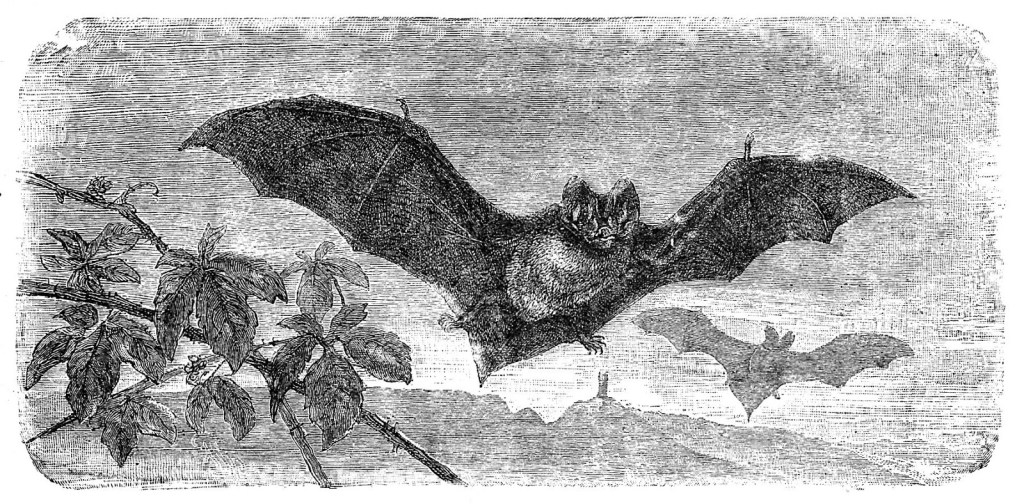
December: Look for a bat out in the sunlight on a warm day
January: Listen for white-throated sparrows whistling in the cold
February: Check out the harbor seals sunning themselves under the Verrazano Bridge
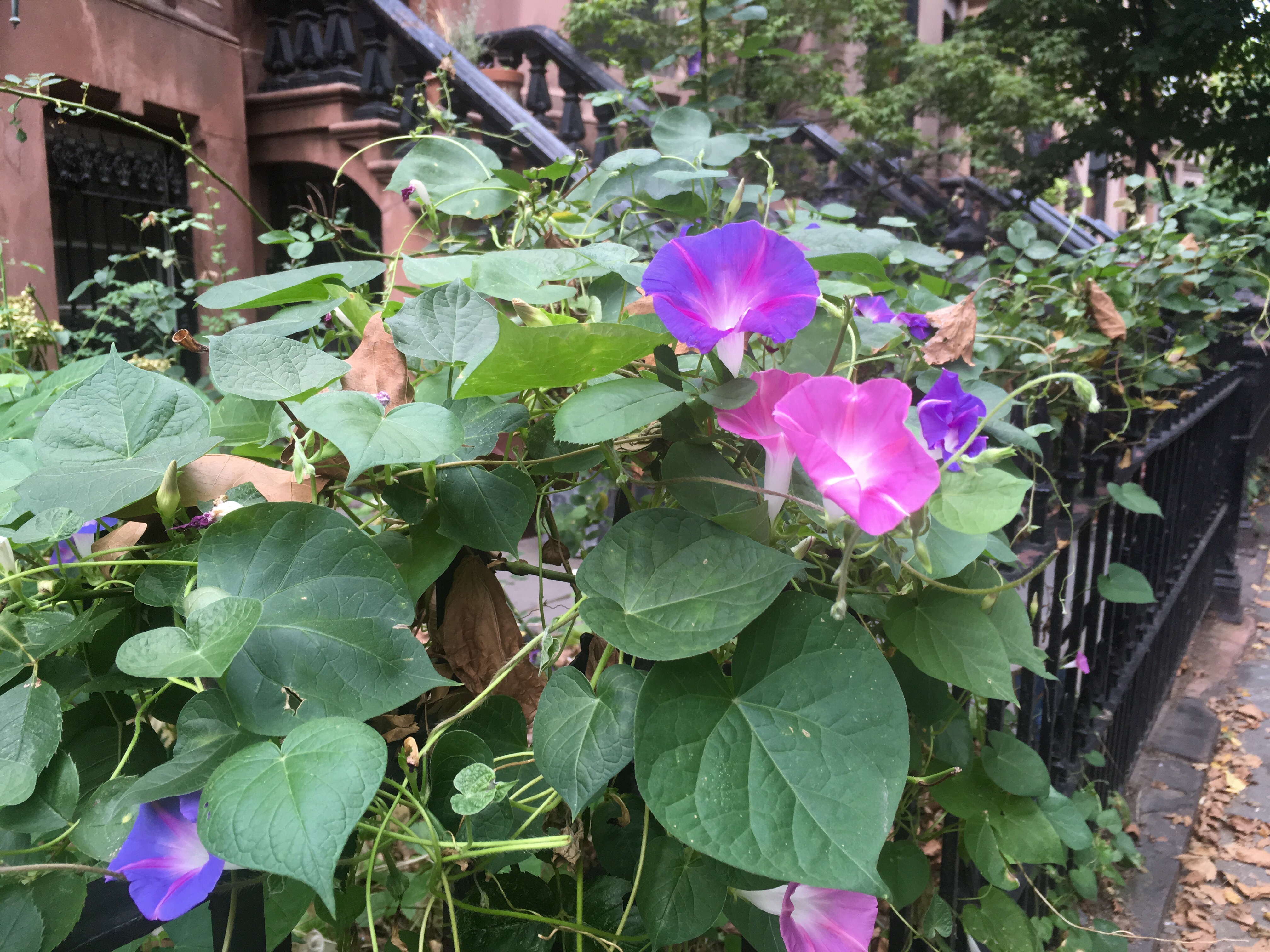
Late August is when I’ll see neighborhood morning glories open in the morning……. and close in the afternoon.
Put Natural Events on Your Calendar
If you want to simplify your life and pay more attention to urban nature, I suggest that you try this experiment: Put natural events on your own calendar. Give yourself reminders to pay careful attention to wildlife migration and plant life-cycles where you live.
Here are a few ways to begin:
This week, take a slow nature walk and take notes. What wildlife do you see? What do the trees or plants look like? Do you see or hear insects or birds? Add these notes as a reminder on your calendar one year from now. Will you notice the same thing next year?
Add some of the natural events I listed above to your own calendar. Seek out monthly prompts to focus your attention and cultivate anticipation.
Go on a guided bird walk in May or September to learn more about bird migration
I’d love to find out if you use any of these ideas or if you keep your own “nature calendar.” What is a natural event that you look forward to seeing each year? Let me know by leaving a comment below.
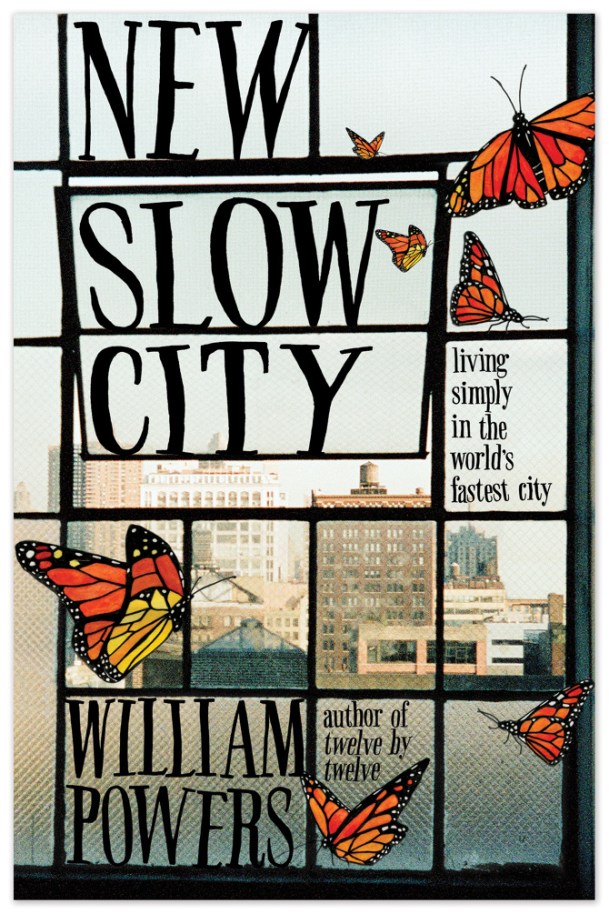
Is it possible to live a consciously slow, self-paced, and simple life in New York City, the epicenter of adrenaline and work-life overload? William Powers tries to do just that in his thought-provoking new memoir New Slow City: Living Simply in the World’s Fastest City (public library).
A Year-Long Experiment in Manhattan
Powers begins his quest after taking a hard look at his daily choices. Like many New Yorkers, work had become the center of his life. He took on too many work commitments, worked until 2:00am on writing assignments, and responded to emails at all hours “in order to stay in a loop that never seemed to close.” He and his new wife Melissa’s schedules were so jam-packed that they took separate honeymoons.
In his previous book, Twelve by Twelve: A One-Room Cabin, Off the Grid & Beyond the American Dream, Powerschronicled his time in a tiny off-the-grid cabin in rural North Carolina. Now back in city and “caught up in the prevailing turbo-capitalist ethos,” he wondered what had happened to one of the big lessons he learned while in the 12 x 12 cabin: “the need to balance my constant doing with the joy of simply being — a kind of Leisure Ethic.”
He and his wife Melissa decided to downsize from their spacious Queens home to a 350-square-foot apartment in Greenwich Village. This move began their year-long experiment to create a sustainable lifestyle in the world’s fastest city,”the most difficult place on the planet — the hot core of global capitalism, Manhattan.”
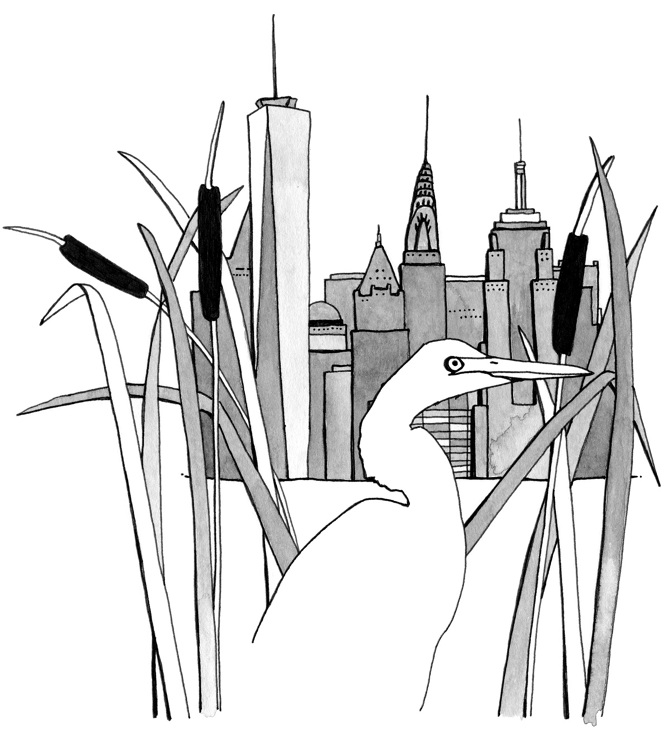
New Slow City is charmingly illustrated by Kyle Pierce
Embracing Slowness in the City
The word “slow” conjures up inefficiency and dullness, the very qualities New Yorkers despise. So what does Slow Living mean for a city-dweller? Powers offers a clarifying definition:
Slow means cultivating positive qualities – being receptive, intuitive, patient, reflective, and valuing quality over quantity – instead of the fast qualities so common today: being busy, controlling, impatient, agitated, acquisitive.
In order to create his new Slow Life, Powers set out to:
Embrace minimalism by downsizing living space and personal belongings
Work a maximum of two days per week, freeing up time for a “leisure-rich” life
Spend time in urban nature, cultivate a regular yoga practice, and foster daily mindfulness of the beauty of New York City
Living the Leisure Ethic in the West Village
Powers ask the salient question: Can only the rich can afford to go slow in Manhattan? He then encounters and deftly describes a colorful array of New York Characters — from the musicians in Washington Square Park’s daily acoustic jam session to pigeon aficionados to Rockaway Beach night swimmers — who are living lives of leisure.
Many “work 24/7: 24 hours a week, 7 months a year.” He describes how they work for time as much as for money. They an earn that time by “living smaller, simpler, and smarter.”
Slow is about taking the necessary time to create a new economy centered on self-paced living.
Power delves into Tom Hodgkinson’s How to Be Idle: A Loafer’s Manifesto and the historical vilification of leisure time. He talks with John de Graaf from the Take Back Your Time projectabout how the US is a”no-vacation nation.” He describes Vicky Robin’s joy-to-stuff ratio: The time a person has to enjoy life versus the time a person spends accumulating material goods.
Powers created a two-day work week by limiting his daily costs, having a healthy savings, and working more efficiently. He used Parkinson’s Law (work expands to fill the amount of time available to accomplish it) to his advantage and worked a focused but limited amount of time.
Even though he was successful at this “self-paced work day,” over the course of New Slow City Powers went from working two days to a full five days a week. He struggled as new opportunities and his own ambition thwarted his goal for a leisure-rich life.
Powers and his wife used these techniques to develop a slow mindset :
Cultivate anticipation and savor experiences
Live at the third story: pay attention to what is happening above the street to rise out of the “buy-o-sphere and into the biosphere”
Seek out urban sanctuaries
Powers described his surprise and delight at discovering the natural city, whether it was urban sanctuaries like my own personal favorite St. Luke’s Gardens, exploring the wilderness accessible from MetroNorth like Bear Mountain, Doodletown, and Harriman State Park, or spending time at “Tar Beach” – their own rooftop in the West Village.
I feel that spending time in urban nature is incredibly important to living the slow life in the city and I enjoyed reading about Powers’s nature experiences and discoveries in NYC.
A Memoir, Not a How-To Guide
New Slow City is a memoir — not a guide to creating your own urban slow life. You may feel like Powers, a freelance writer and sustainable development expert, has a life that doesn’t resemble your own and therefore his life choices seem out of reach.
But I think New Slow City is a worthwhile read. It inspired me to ask new questions about my own habits, to embrace my own leisure ethic in the city, and to read further.
If you find yourself on another bleary morning commute, listening to your inner Tyler Durden rant about how you are working a job you hate to buy stuff you don’t need, consider reading New Slow City.
You can read a free e-chapter of New Slow Cityhere or follow William Powers on his personal blog and on Facebook.
How can you savor the Slow Life in the city that never sleeps? One way is to make a daily visit to a green patch near your work and home.
One of my favorite green patches in Manhattan is the Barrow Street Garden – a private garden of the Church of St. Luke in the Fields that is open to the public. The garden gate is located on Hudson Street near the intersection of Barrow Street.
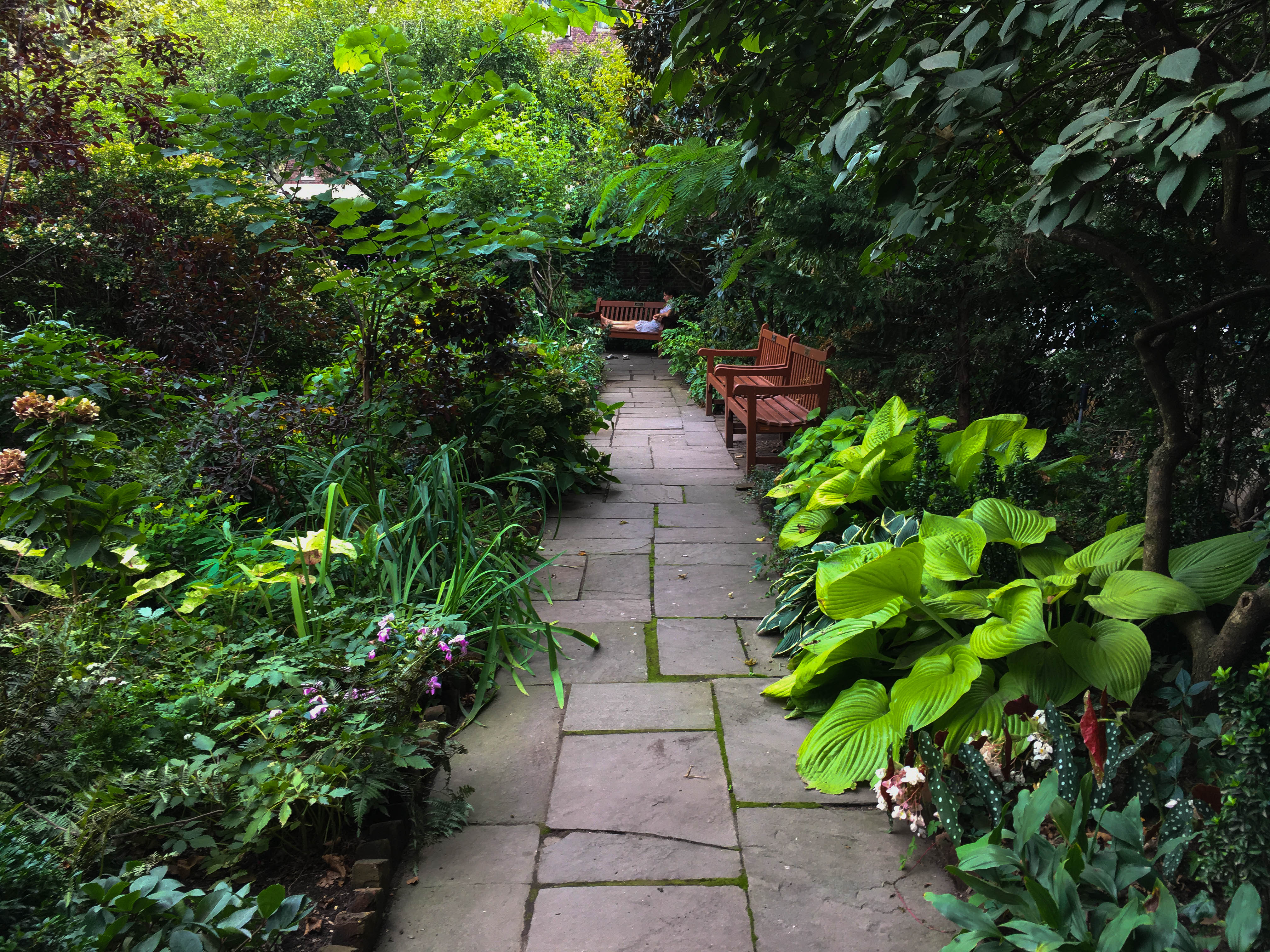
The Barrow Street Garden is a small, verdant garden separated into four quadrants. You can stroll along its short paths or sit on a bench in a quiet corner. For years, it served as my secret garden retreat from a hectic workday.
Garden Discovery
As a child I loved to read (and re-read) Frances Hodgson Burnett’s The Secret Garden. One of my favorite passages is when the sulky contrarian Mary Lennox enters the garden for the first time:
She held back the swinging curtain of ivy and pushed back the door which opened slowly — slowly. Then she slipped through it, and shut it behind her, and stood with her back against it, looking about her and breathing quite fast with excitement, and wonder, and delight. She was standing inside the secret garden.
Here is the story of my own garden discovery:
I worked for a digital agency located nearby. I often passed the Barrow Street Garden and could see it through gaps in the wrought iron gate. But the gate was always closed and, I assumed, locked.
The garden was so beautiful and tantalizing!
One day I finally tried to push on the gate and, to my surprise, it opened. I was in.
An Afternoon Retreat
The Barrow Street Garden became my refuge during the work day. I worked with many smokers at the agency. When the smokers would slip out for their afternoon smoke, I would take their cue to also head outside.
I enlisted a good friend to join me in afternoon garden breaks. We tried not to talk about our shared work and paid close attention to our surroundings instead.
We focused on the plantings, the birds, and the butterflies. We saw migrating monarch butterflies in the fall, white-throated sparrows whistling in the undergrowth in winter, and migrating warblers in the spring.
This small green space is not only important for city office workers like my friend and I. It’s also an important rest-stop for migrating birds and butterflies. According to St. Luke’s site, over 100 species of birds and 24 types of moths and butterflies have been sighted in their gardens.
A Quiet Sanctuary in the West Village
The Gardens at St. Luke have a long history. The Church of St. Luke in the Fields was built in 1821. According to St. Luke’s site, the first planting was “a tiny slip of England’s famous Glastonbury thorn planted in 1842. It survived until 1990, when it was blown over in a windstorm.” Its thorny progeny still grow in the gardens today.
The Barrow Street Garden is one of six basic areas in the two-acre block. The Gardens also include: the Gene Morin Contemplation Corner, the South Lawn, the Allée of cherry trees, and, closer to the church, the Rectory Garden and North Garden. The Gardens are currently undergoing a renovation and redesign by Susan Sipos, St. Luke’s garden designer and horticulturist.
If you live, work, or are just visiting the West Village, I encourage you to step in Barrow Street Garden. It’s the perfect place to slow down and notice nature. Visit St. Luke’s site to learn more about the location and hours.
If you are feeling nature-deprived, here are more ideas of how you can transform your lunchtime.
It’s not always easy to live a Slow life in a city that wants you to speed up. I discovered that paying attention to the natural world helps me step back and enjoy a more leisurely pace. In fact, these are the very ideas that I’m exploring here at Slow Nature Fast City.
I use these techniques to help me see my everyday world in a new way:
I try to notice nature outside my front door and my workplace
I focus my senses during my daily commute to see and hear what I might normally miss
I slip “nature breaks” into my day — even if it just means a 10-minute excursion at lunchtime or a twilight meander at the riverside
But sometimes I want to escape the everyday and long for something new. That’s when I shake things up with this experiment. If you’re out of vacation days, have burned through your budget, orhave a bad case of wanderlust, I recommend that you try this. All you need is your MetroCard and a sense of adventure.
Explore By Chance
If you can, enlist a like-minded friend to participate in this adventure. You can also do this solo. Here’s what you do: Get out a subway map. If you have an actual dart handy and a flair for the dramatic, throw the dart at the map. Or you can just close your eyes and randomly point to a stop.
You’ve now chosen your destination for the day.
The technique of random exploration has been used by many artists, writers, and philosophers. The Situationists, a group of avant-garde artists and political theorists, use the term dérive (“drift”) to describe “an unplanned journey through a landscape, usually urban, in which participants drop their everyday relation and let themselves be drawn by the attractions of the terrain and the encounters they find there.”
Let Yourself Drift
I first tried this experiment seven years ago. I remember the day vividly as my cohort and I explored a new-to-us neighborhood in Brooklyn. The sheer novelty of traveling by chance made the experience memorable.
When you travel to your randomly chosen subway stop, let yourself drift. Follow your curiosity for the natural world in this new terrain. What is the landscape like? Go slow and imagine taking field notes. Examine the trees, birds, wildlife, flowers, front yards or stoops. Are there green spaces like gardens, parks, cemeteries, and roof gardens to explore? Is there a coastline or a body of water? Sketch or take pictures. Collect mementoes from your random walk.
Go to the End of the Line
You can also try this variation: Close your eyes and randomly choose a subway line. Travel to the end of that line. You can flip a coin to decide which end you will visit.
This method will almost guarantee that you will explore an interesting landscape. Some of my favorite areas in NYC (like the tide pools of Pelham Bay ) are at the end of the line.
Tip: Don’t forget Staten Island. There is a subway there too.
The subway surrounded by the waters of Jamaica Bay
If you live outside of NYC, you can also try methods of chance to discover new areas. You can point to areas on a map and, if you must, drive to the destination. It’s important to explore and “drift” on foot. For further reading, I enjoyed Keri Smith’s delightful and instructive guide to aimlessness, The Wander Society. She also describes this technique and offers other interesting wandering experiments.
Let me know if you throw a dart at a map. I’d love to hear how it goes.
I leave you with this existential question from the MTA’s MetroCard machine: What would you like to add? Add Value. Add Time.
I’m out of town this week, exploring the wilds of Newfoundland. But I’ve collected a few ways to explore the natural world in NYC and beyond (August 13 – 17, 2016).
Go Outside
Get on the wait list for Lisa Nett’s Cloud Study in Prospect Park on Saturday, August 13. There will be a robust discussion of cloud classification, weather forecasting that doesn’t involve your smartphone, and the hidden merits in cloud shape
Join the Bronx River Alliance on Saturday, August 13, for a one-day research blitz about the creatures, plants, and water of the Bronx River. Scientists and volunteers will work on research projects such as seine fishing, invasive plant removal, bird surveys, and water quality monitoring. Maybe you’ll spot the famous Bronx beavers.
Radiolab’s episode From Tree to Shining Tree describes the astonishing, newly discovered “underground economy” between trees and fungi. Mind-blowing.
Read
I’ve enjoyed reading about the “weird wonderfulness of life on Earth” at Jennifer Franzen’s delightful natural history and biodiversity blog, The Artful Amoeba.
New York City may not have the best skies for stargazing. But you still may be able to see a meteor shower in the next few days.
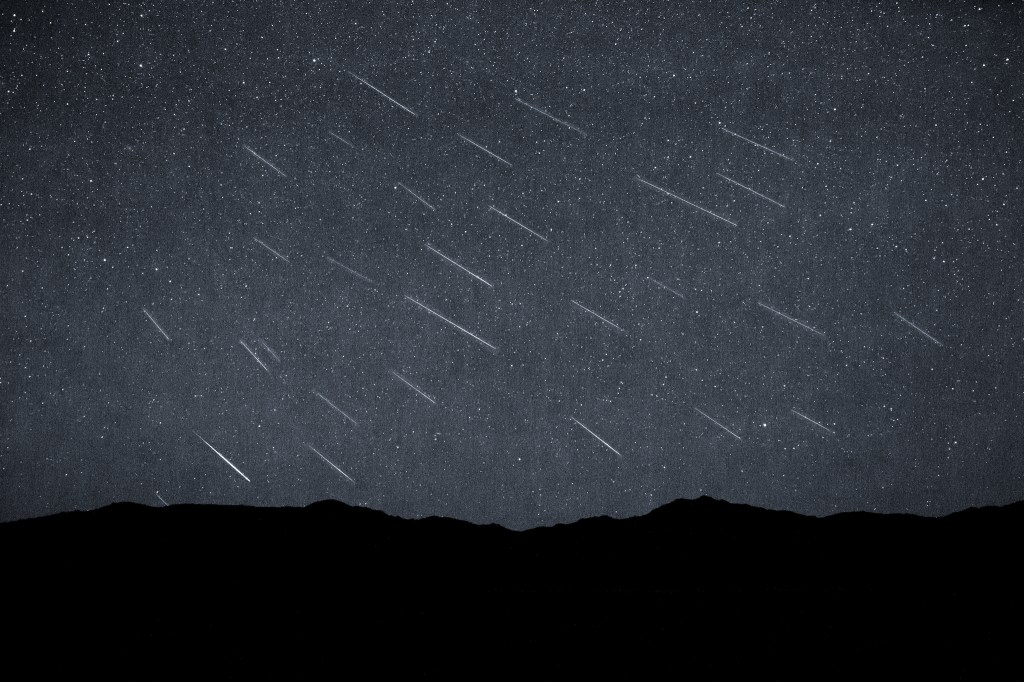
This Thursday August 11 and Friday August 12, the Perseids, the biggest meteor shower of the year, will be lighting up the night sky. This year the Perseids promise to be the best shower of the decade.
The Perseids typically peak in mid-August every year, when the Earth intersects with the trail of Comet Swift-Tuttle. Debris from the comet impacts the Earth’s atmosphere and streaks across the sky, creating shooting stars. Learn more from Space.com’s Perseids Meteor Shower Guide.



















 Slow Nature Fast City