• Cherry Blossom Viewing in NYC

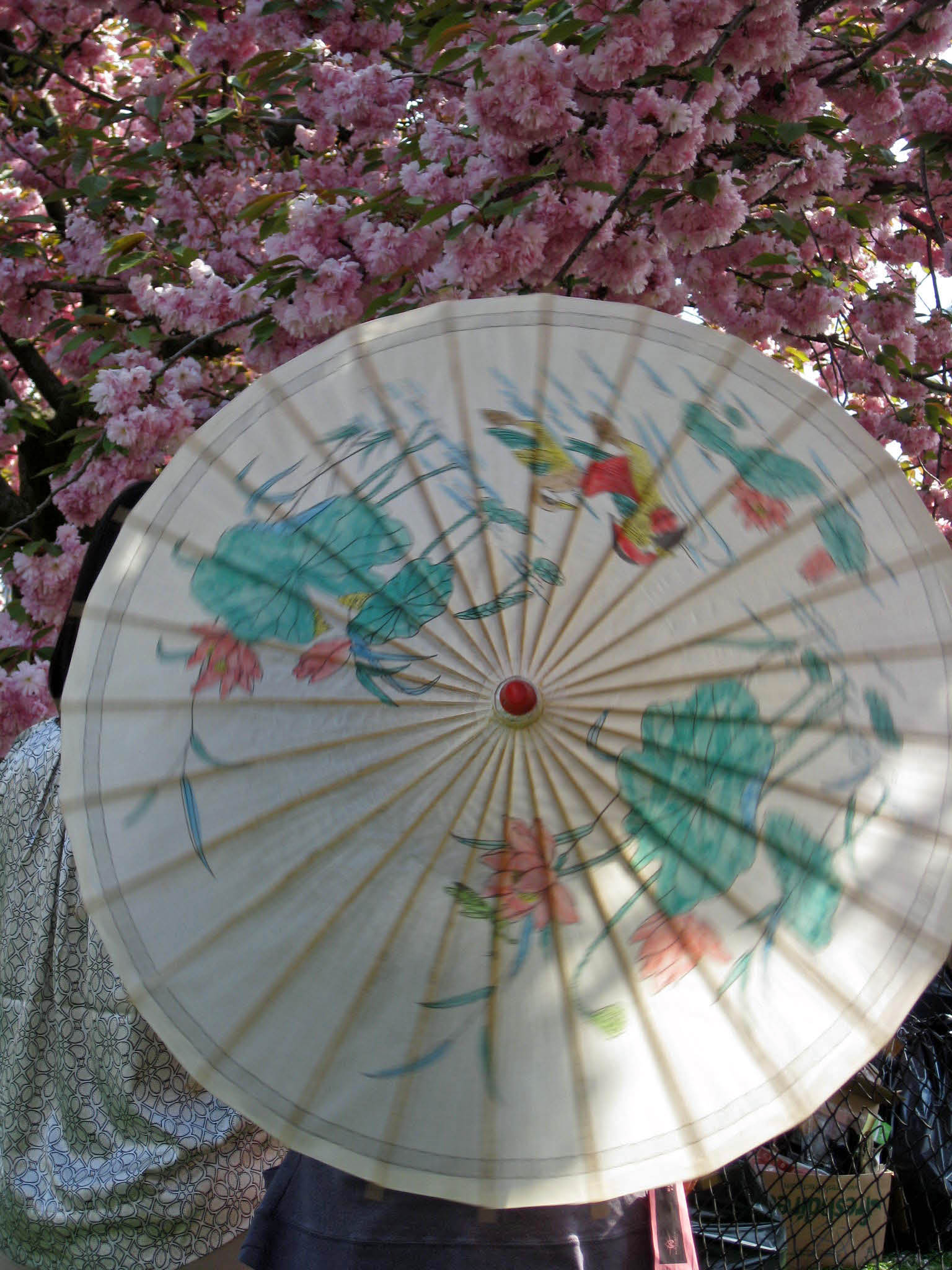
    The Japanese tradition of enjoying the ephemeral blossoms of cherry trees is called hanami, which means “flower viewing.” Every April and May in New York City, you have an opportunity to practice hanami. 
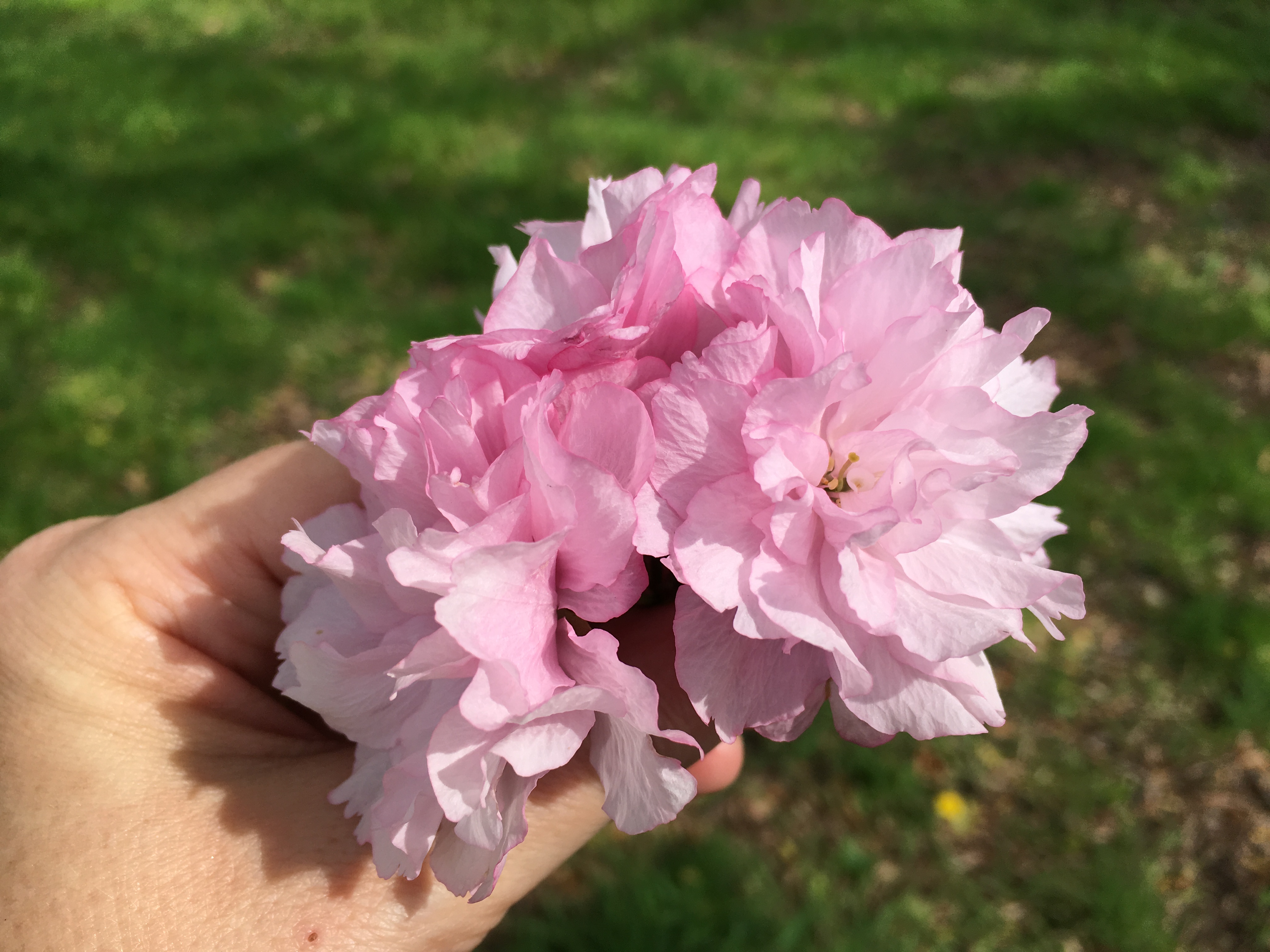
    Photo Apr 29, 3 44 16 PM

    There is growing evidence that urban trees help reduce our blood pressure and heart rate, decrease stress, and improve mental attentiveness.  Cherry blossom viewing is one way to spend time with city trees.

    If you are reading this in NYC, it’s not too late to find cherry blossoms this weekend.

    Ride the Waves of Cherry Blossoms

    Cherry blossoms have short blooming periods – no one tree remains in flower for more than a week. There are many different cherry cultivars in NYC and they bloom in succession, one after another.

    Often the first cherries bloom in late March or early April, while the last cherries bloom about four weeks later.

    Photo May 01, 2 45 21 PM
    Sendai spring cherry (Prunus pendula)
    Photo Apr 29, 5 08 27 PM (1)
    Kanzan or Kwanzan Cherry (Prunus ‘Kanzan’)

    Cherry blossom viewing is a seasonal meditation on the ephemeral. If you are not paying attention, you will miss it.

    Favorite Places in NYC for Cherry Blossom Viewing

    Here is my idiosyncratic and incomplete list of places to notice and enjoy cherry blossoms.

    Prospect Park 

    Prospect Park has an impressive stand of double-blossom Kanzan cherry trees at the entrance at Grand Army Plaza. There are also several cherry trees lining the north end of the Long Meadow, a perfect place for a hanami picnic to celebrate the arrival of spring.

    My favorite cherry trees in Prospect Park are the weeping cherry trees in the Vale of Cashmere.

    Photo May 01, 4 28 28 PM

    The Vale of Cashmere is out of the way and off the beaten path.  I usually visit in early May to see the weeping cherries and to listen to the migrating songbirds. It is a good spot to be bathed in bird song.

    Brooklyn Botanic Garden 

    The Brooklyn Botanic Garden is the most famous spot for cherry blossom viewing in NYC. Their Japanese Hill-and-Pond Garden was the first Japanese garden created in the US for public viewing. The garden’s online Cherry Watch maps out the blooms in real-time.

    Photo Apr 14, 3 49 34 PM

    The Brooklyn Botanic Garden’s Sakura Matsuri festival is extremely crowded but worth seeing at least once. This annual weekend celebration of Japanese culture features food stalls, traditional music and dance, and sometimes even J-Pop. It seems like half of the city comes to pose for photos under the cherry trees.
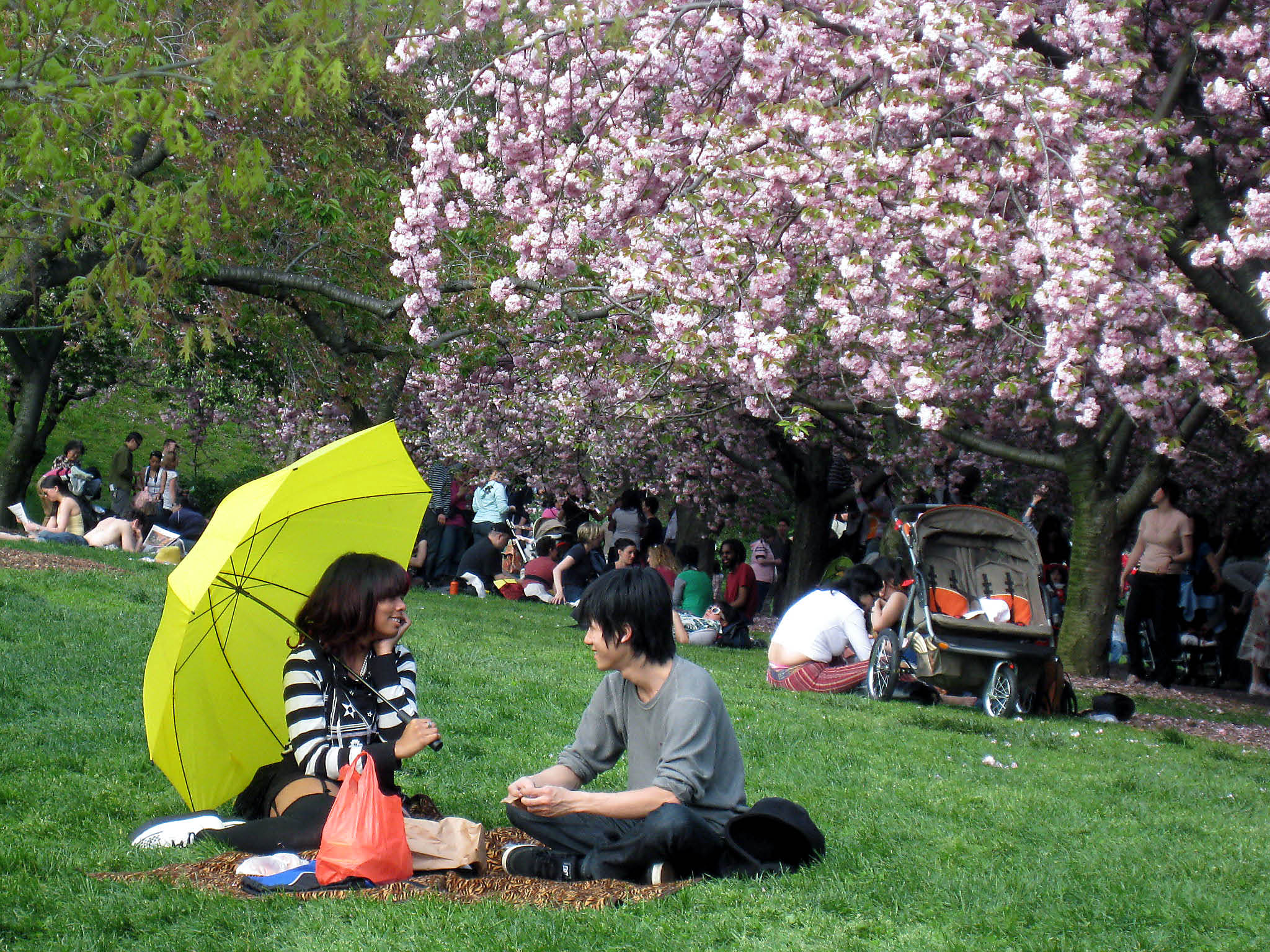
    2503649253_2491860d17_o

    2503648761_f59bb08b89_o

    Can’t get enough outdoor celebrations? Flushing Meadows Corona Park in Queens also has an annual cherry blossom festival.

    Central Park 

    Japan gave Central Park thousands of cherry trees in 1912. My favorite way to see them is to walk around the Reservoir (between 86th and 96th Streets). You can see Yoshino cherry trees on the east side of the Reservoir and Kanzan trees on the west side.

    Another great cherry tree walk is to cross the park at 72nd Street. You’ll pass Pilgrim Hill (East Side at 72nd Street) and Cherry Hill (Mid-Park at 72nd Street), both beautiful locations to enjoy the cherry blossoms.

    2016-04-24 16.21.49


    Green-Wood Cemetery

    Sakura, cherry blossoms, represent the impermanent nature of life. There is no better place to think about life’s impermanence than in the beautiful expanse of Brooklyn’s Green-Wood Cemetery.

    Photo Apr 29, 11 22 54 AMGreen-Wood contains one of New York City’s greatest collection of trees. At last count, there are over 7000 trees, including some of the most stunning cherry trees I have ever seen.

    Neighbors’ Gardens

    During my visits to Kyoto and Tokyo, I was surprised to see the narrow streets lined with potted plants. I thought plants like these would certainly be stolen in the West. I learned that this was the concept of gardening for strangers.

    My fellow New Yorkers don’t yet display this type of trust in others by putting their own plants out on the sidewalk. But there are tiny gardens visible from the sidewalk throughout New York City, where private property becomes the public space for the eyes.
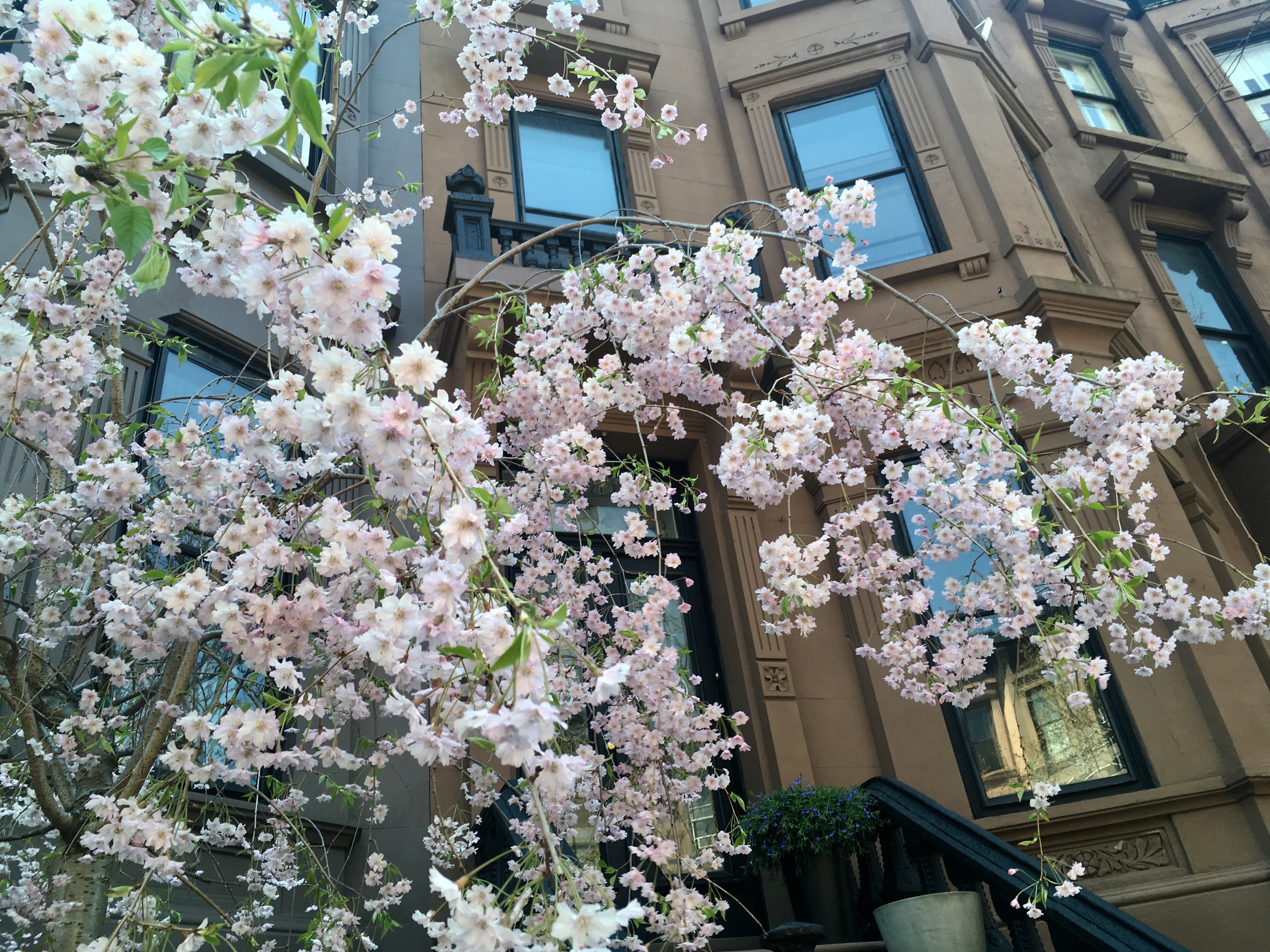
    Photo May 01, 1 10 38 PM

    My favorite walks are through Brownstone Brooklyn, including Park Slope, Prospect Heights, Ft. Greene, Cobble Hill, Carrol Gardens, and Brooklyn Heights. Here one can practice hanami on the way to the train, on the way back from the store, and just for a moment in front of the neighbor’s yard.

    Blossoms In the Air, Blossoms On the Ground

    Photo May 04, 3 28 00 PM

    Years ago, I almost missed spring entirely. I vowed that I would never make that mistake again and I must notice spring. The cherry blossoms are a way to help me remember that promise.

    Photo Apr 29, 11 23 42 AM

    If you missed the moment and just see cherry blossoms on the ground, it may not be too late.

    Look for the crabapple blossoms.

    Smell the lilac blooming.

  • Follow the Cascades of Central Park

    One of my favorite experiences in life is to discover something new.

    Even though I have lived in New York City for many years,  I only recently found a meandering stream with three waterfalls in a forest. It is only about a 10-minute ramble from the subway.

    I found the Loch in Central Park.

    Photo Oct 27, 4 57 15 PM
    The Huddlestone Cascade

    “My favorite thing is to go where I’ve never been.” – Diane Arbus

    Discover the Pools and Cascades of the Loch

    Central Park’s most well-known and popular destinations like the Sheep Meadow and Bethesda Fountain are in the southern portion of the park (59th Streets to 79th Streets). For a quieter nature retreat in the city, try heading further north.

    Start out at the 103rd Street (B/C) subway stop.

    Photo Oct 27, 5 19 38 PM.jpg

    Head into the 103rd Street entrance and follow the path leading towards the Pool. It’s a lovely and calm way to begin your nature walk.

    Photo Oct 27, 5 14 05 PM
    A view of The Pool

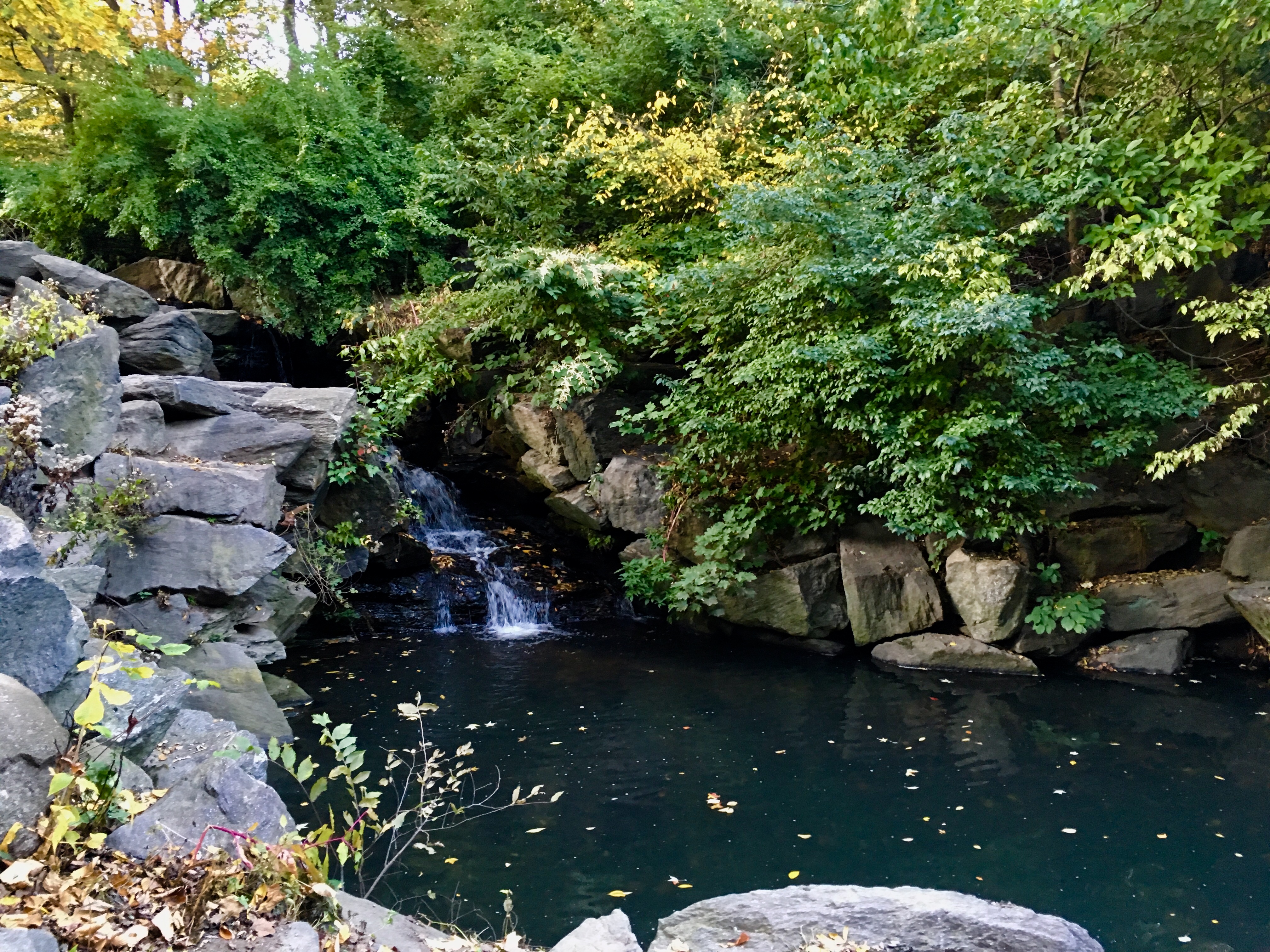
    Follow the banks of the Pool and you’ll see the first of the three cascades, the Glen Span Cascade. It’s an earth-and-boulder dam that creates a 14-foot waterfall.

    Photo Oct 27, 5 13 14 PM
    The first of three cascades

    Then slip through the Glen Span Arch and officially enter the Loch.

    Photo Oct 27, 5 14 45 PM
    Glen Span Arch

    Follow a Meandering Stream Through the Ravine

    The name Loch (Scottish for “lake”) is a misnomer. The Loch is a stream that flows through a series of pools and cascades before emptying into the Harlem Meer.

    The Hidden Waters Blog has an excellent description of the history of the Loch, from original design of a lake-like pool to the recently rehabilitated forest brook you see today.

    Photo Oct 27, 5 04 56 PM
    The winding stream of the Loch

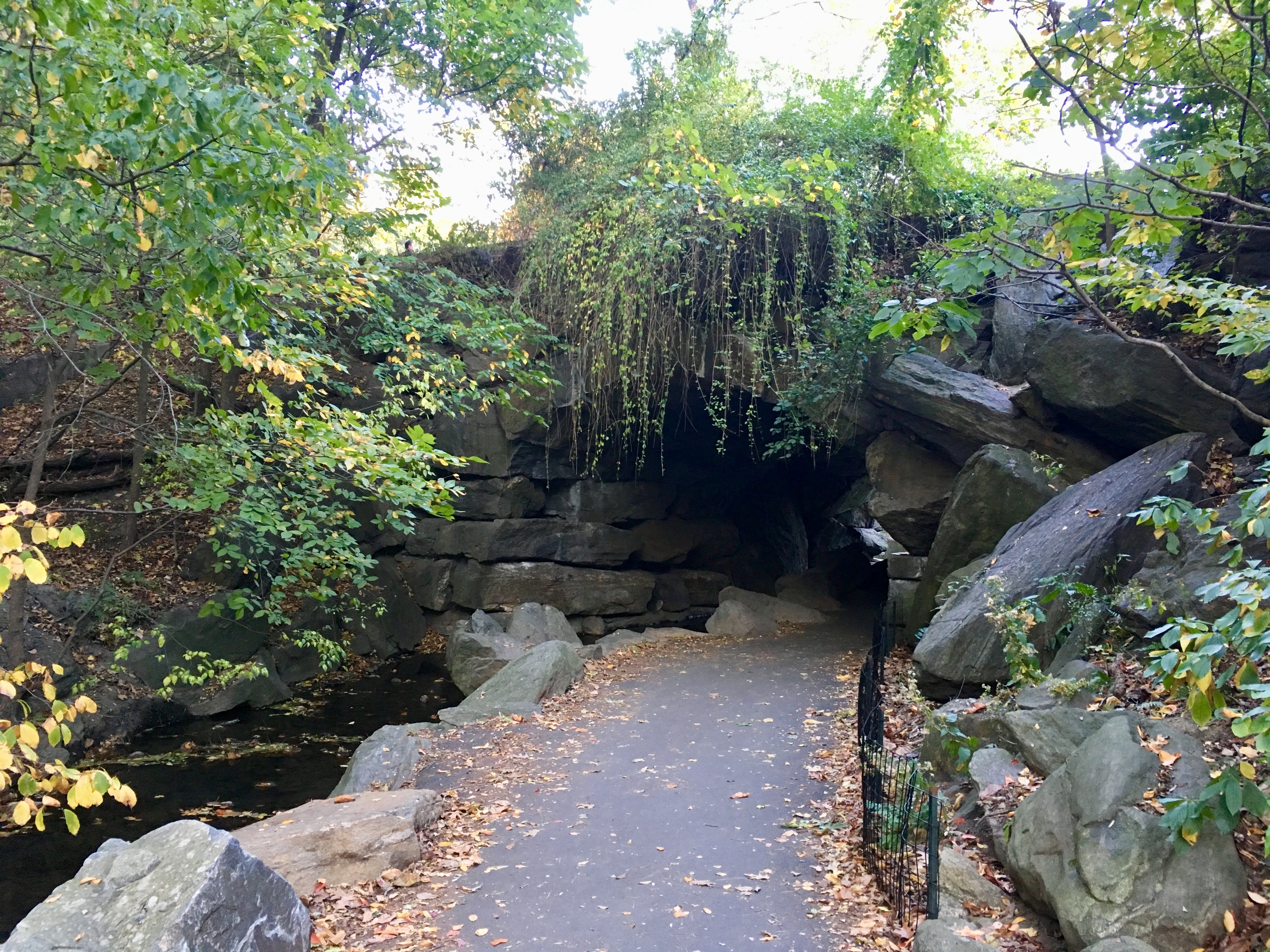
    It’s a beautiful, tranquil forest walk.  Thread your way through caves and grottoes and climb over rustic bridges.

    Photo Oct 27, 4 58 09 PM
    The Huddlestone Arch made entirely of huge, uncut boulders. Built in 1866, no mortar keeps the rocks in place, only  gravity and pressure.
    Photo Oct 27, 5 04 36 PM
    New rustic bridges

    A Nature Retreat in New York City

    The Loch is a good place to go leaf peeping in the fall or bud-spotting in the spring. You’ll see Black Cherry,  Pin Oak, Red Oak, Scarlet Oak, Red Maple, Sugar Maple, American Elm, and Hickory.

    Photo Oct 27, 5 10 35 PM

    You can try a few nature attention experiments on your forest walk:

    Photo Oct 27, 5 00 10 PM (1)

    Plan Your Visit to the Loch

    To help you plan your visit to the Loch, the Central Park Conservancy put together a great self tour. You can download the tour map here.

    Have you visited the Loch before? Do you like to discover a new (to you) place? Let me know what you think in the comments.

  • Slow Down in a City That Wants You to Speed Up

    Slow Nature is the idea of cultivating small moments of nature observation in daily life.

    Like other Slow movements (Slow Food, Slow Cities, Slow Travel, etc), the focus here is on slowing down, savoring the moment, and pursuing a more balanced life.

    But to notice nature in NYC or another city, you literally have to walk slowly. You have to pause while others may pass you by.

    This is not easy. This is a city of relentless energy. New Yorkers are strivers, not slackers.

    photo-sep-02-6-03-21-pm
    An inviting path through Brooklyn Bridge Park

    As New Yorkers, we hike all the time – though we think of it as walking quickly from point A to point B.  The good news is we have a daily opportunity to change our routes slightly, to slow down and notice what is in front of us.

    Ways to Slow Down

    Become a connoisseur of the side street, the pocket park, and the hidden green oasis.

    Create your own map of green spaces. Visit a favorite this week, no matter what the weather.

    VahramMuratyan
    Vahram Muratyan, “Mapping Manhattan: A Love (And Sometimes Hate) Story in Maps by 75 New Yorkers” (©Becky Cooper courtesy Abrams Image)

    Walk as slowly as a tourist in Times Square.

    Take out your earbuds.

    Put down your phone or other devices.

    Open up your senses. This may be challenging in a city that is screaming at you.

    2016-05-12 12.45.41
    Illustration from “The Street Trees of New York” by Trudy Smoke

    Consider going solo. It may be easier to concentrate.

    Focus on the non-human for a short amount of time.

    Trees, birds, plants, rocks, clouds in the sky can be your objects of focused attention.

    Try to describe what you see to yourself.

    NSC-Arch_670
    Illustration from William Power’s New Slow City

    Try not to think about your job, your relationship, or your rent during these precious moments.

    Discover what can be solved by walking.

    2016-05-10 08.28.10
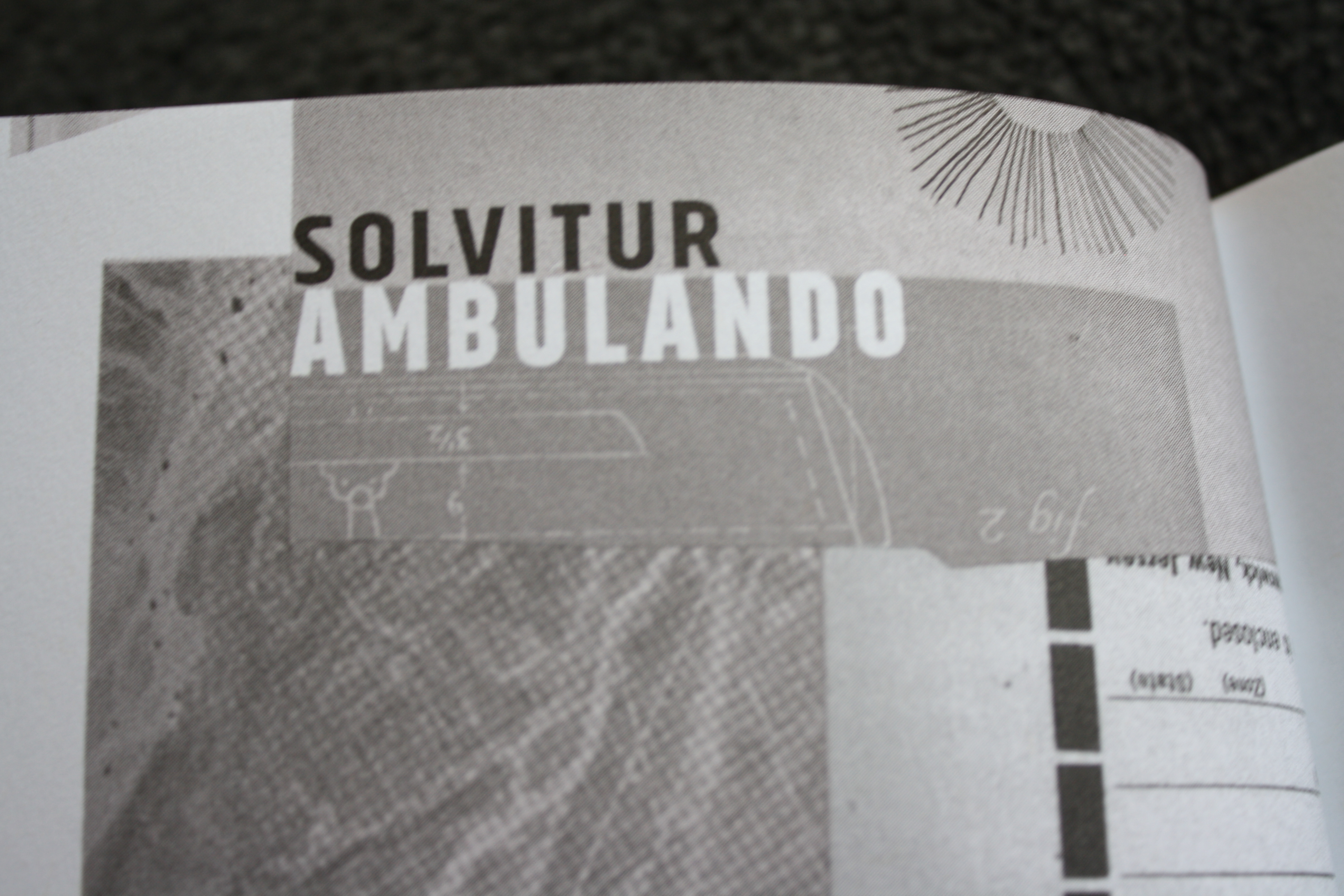
    Illustration from Keri Smith’s The Wander Society

    Solvitur ambulando, translated from Latin as “It is solved by walking.
  • Five Ways to Cultivate Awe

    I was lucky enough to see a total eclipse last month. At the moment of totality, we safely viewed the eclipse with our naked eyes. People cheered, laughed, and cried out.
    My own reaction surprised me. I was overcome by emotions — shock, humility, and exhilaration. Tears filled my eyes.

    I was in awe.

    A Mysterious Emotion That May Be Good For You

    Psychologists and neuroscientists are studying how and why we feel awe. The field of research is new; initial studies have found that:

    • We may be able to think more deeply and analytically after feeling awe
    • Awe makes us more generous and more satisfied with our lives
    • Awe is good for our health and may boost our immune system

    If you’d like to learn more, Slate and Greater Good Magazine offer great round-ups of the cognitive research on awe.

    Constellations
    imagine the last time you felt awe. Where were you? How did it feel?

    Five Ways to Find Awe in NYC and Beyond

    Cognitive scientists recreated awe in the lab by showing nature videos to test participants. Here are five other techniques I’ve used to find awe in daily life.

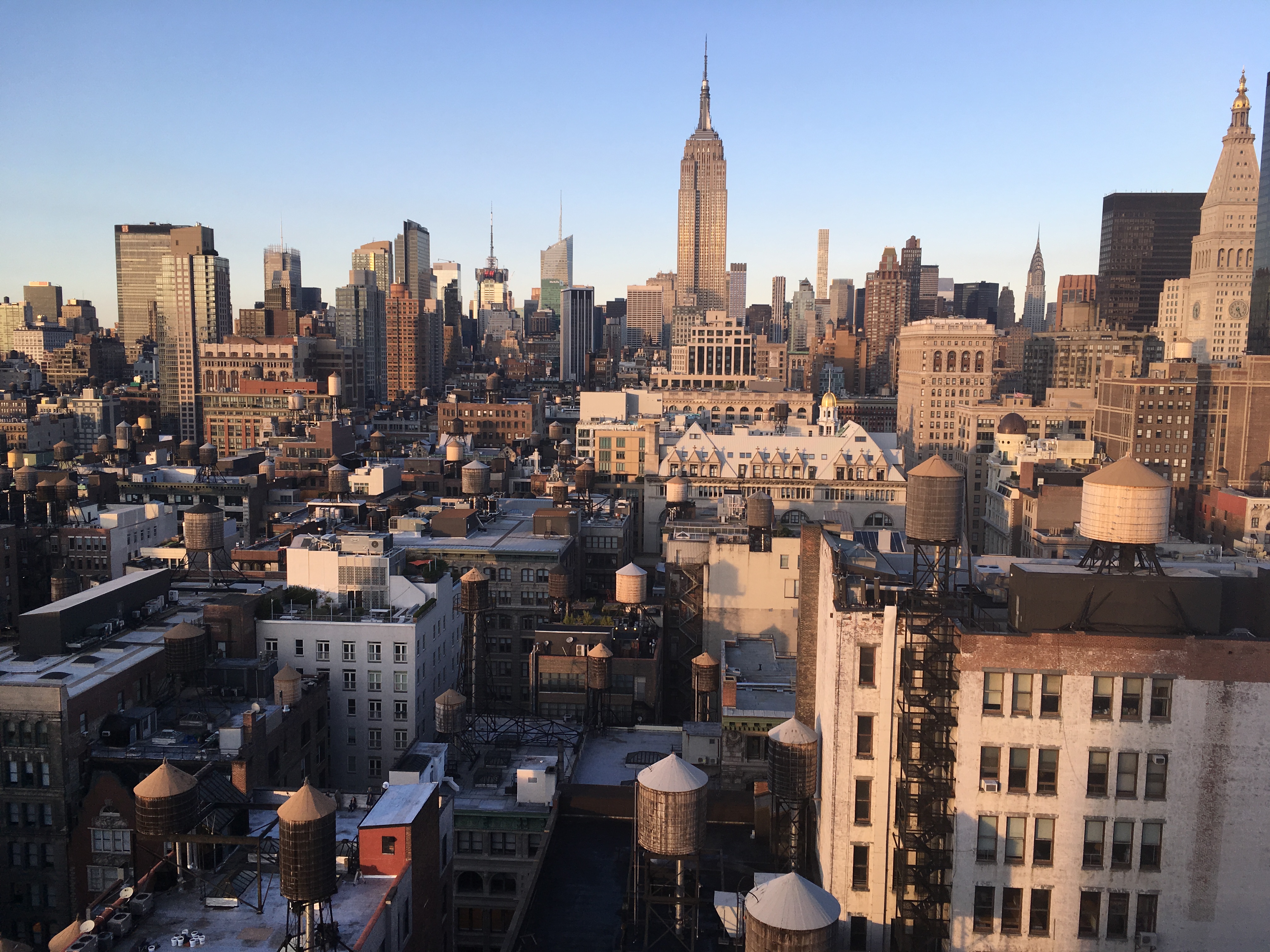
    Survey the World from a Rooftop

    Photo Oct 19, 5 31 50 PM

    Connecting to nature in a city sometimes is difficult, but roof access is usually pretty easy. Choose a rooftop and take ten quiet minutes to really look out at the expanse.

    Spend Time Among Tall Trees

    ProspectPark

    There are over 5 million trees in New York City and you might find awe underneath one of them. One of my favorite forests is the Ravine in Prospect Park. I also wrote a step-by-step guide to noticing your closest tree.

    Contemplate Art

    FullSizeRender

    Sit in front of a work of art. Take your time. You may want to listen music in ear buds as it can help you ignore distractions. Some of my favorite “sit spots” are at the Met, the Brooklyn Museum, The Drawing Center, and the New York Earth Room.

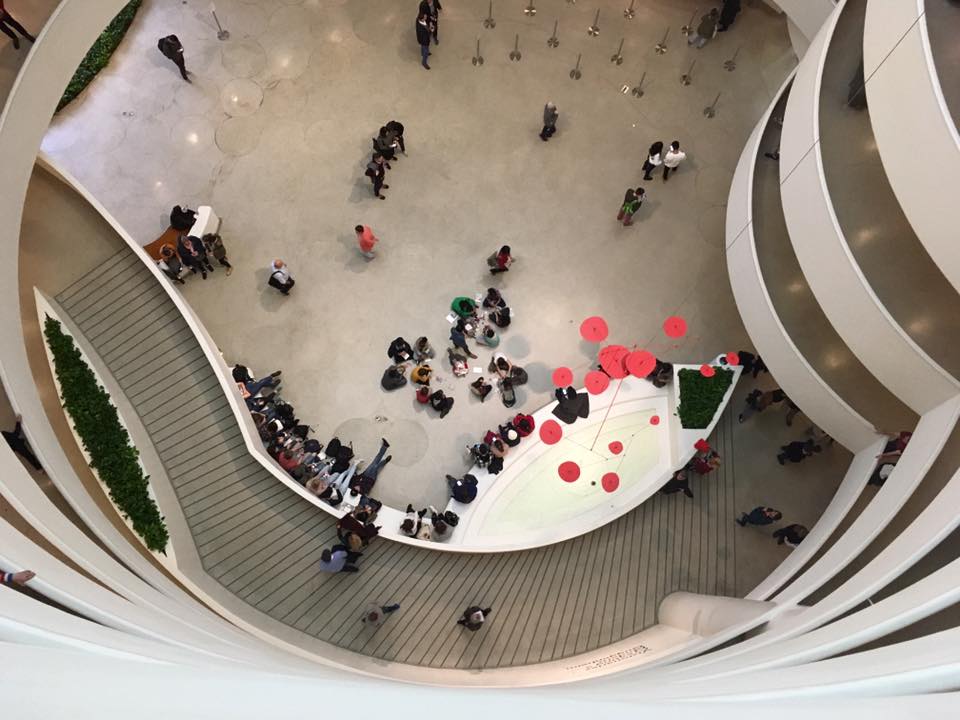
    Step Inside a Soaring Space

    Guggenheim

    Architecture can inspire awe. In this self-experiment, step inside a cathedral, museum, or other grand public space. A few suggestions in New York City are St. John the Divine, the Cloisters, the Guggenheim, or Grand Central. Do you feel taken out of yourself and connected to something larger?

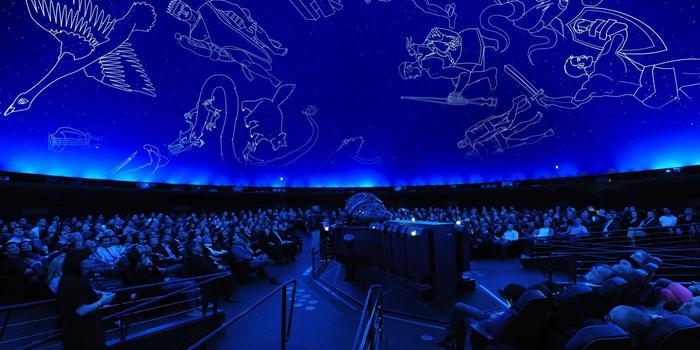
    Consider the Night Skyhayden-planetarium-programs

    The night sky can be truly awesome. If you want to learn more about the night sky in NYC, I highly recommend visiting the Hayden Planetarium. Their Astronomy Live events are incredible.

    Bonus: Take a Guided Awe Walk Right Now

    If you want to start right now, Mindful.org put together a video of a guided awe walk meditation through the Muir Woods in California. Enjoy!

    Does awe really help to sharpen the brain and open the heart? I’m curious if you’ve seen any effects in your own life. Do you have suggestions for other ways to find awe? I’d love to hear what you think in the comments below.


  • Currently Reading: The Urban Bestiary

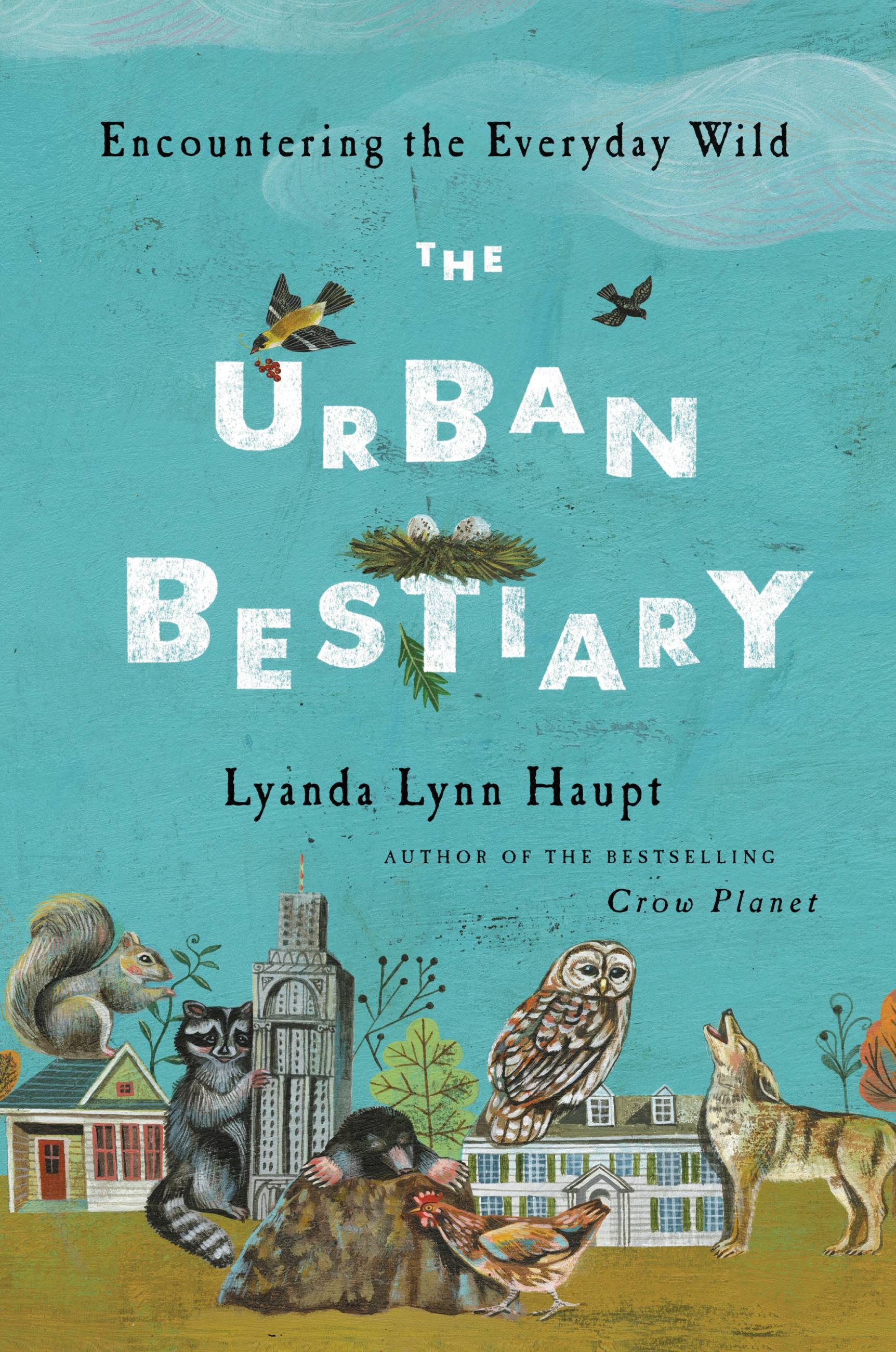
    If you long to notice wildlife in your daily city life, Lyanda Lynn Haupt’s The Urban Bestiary: Encountering the Everyday Wild (public library) is just the book for you.

    Haupt, author of the marvelous Crow Planet and the newly published Mozart’s Starling, writes beautifully about the animals, seen and unseen, who share our urban spaces.

    urbanbestiarycover

    A Modern Book of Beasts

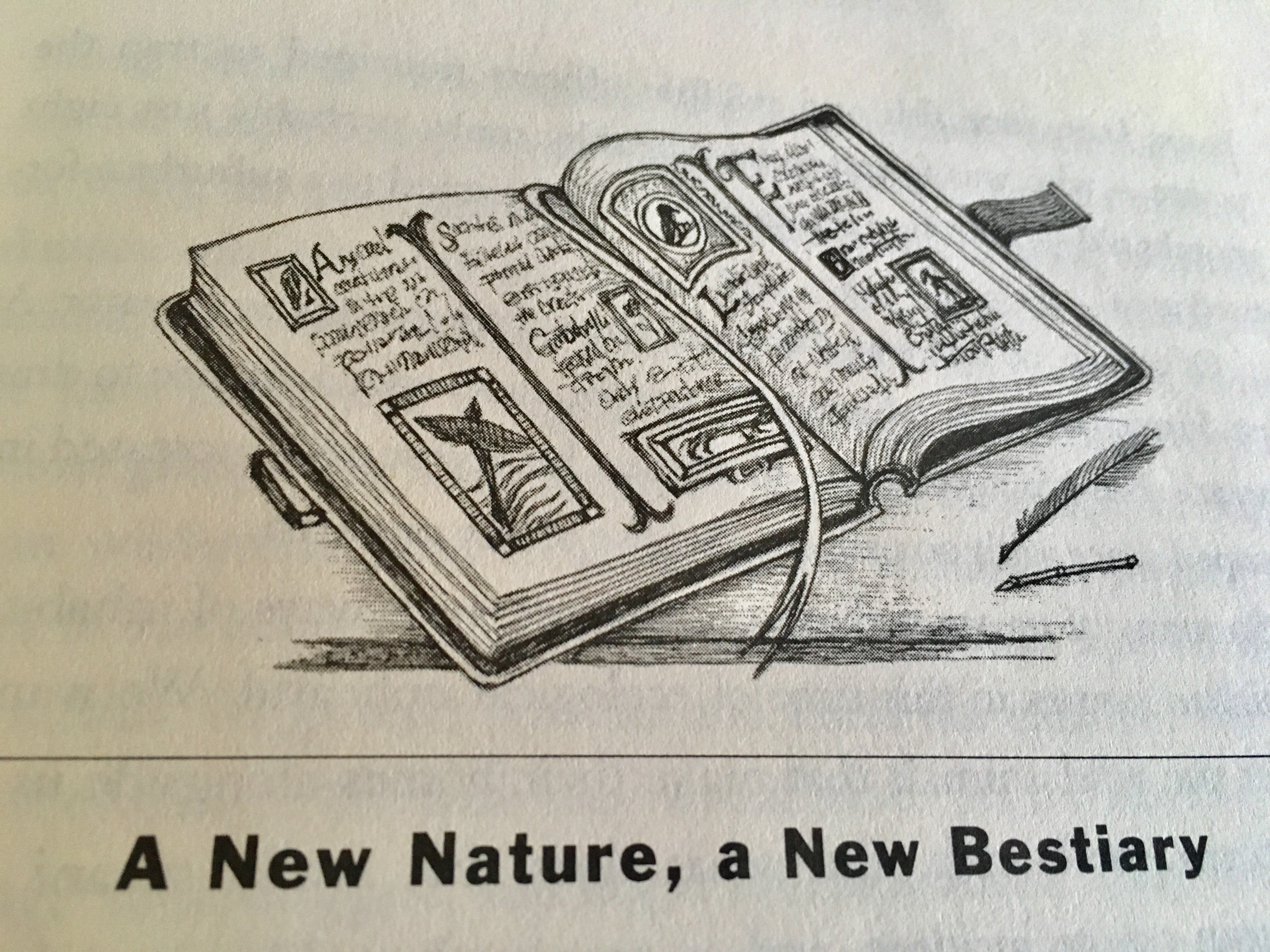
    A bestiary is a medieval encyclopedia of flora and fauna. Haupt uses the Aberdeen Bestiary, written in England around 1200 and once owned by Henry VIII, as her model and organizing principle. This illustrated bestiary is now available online in its entirety.

    IMG_5209
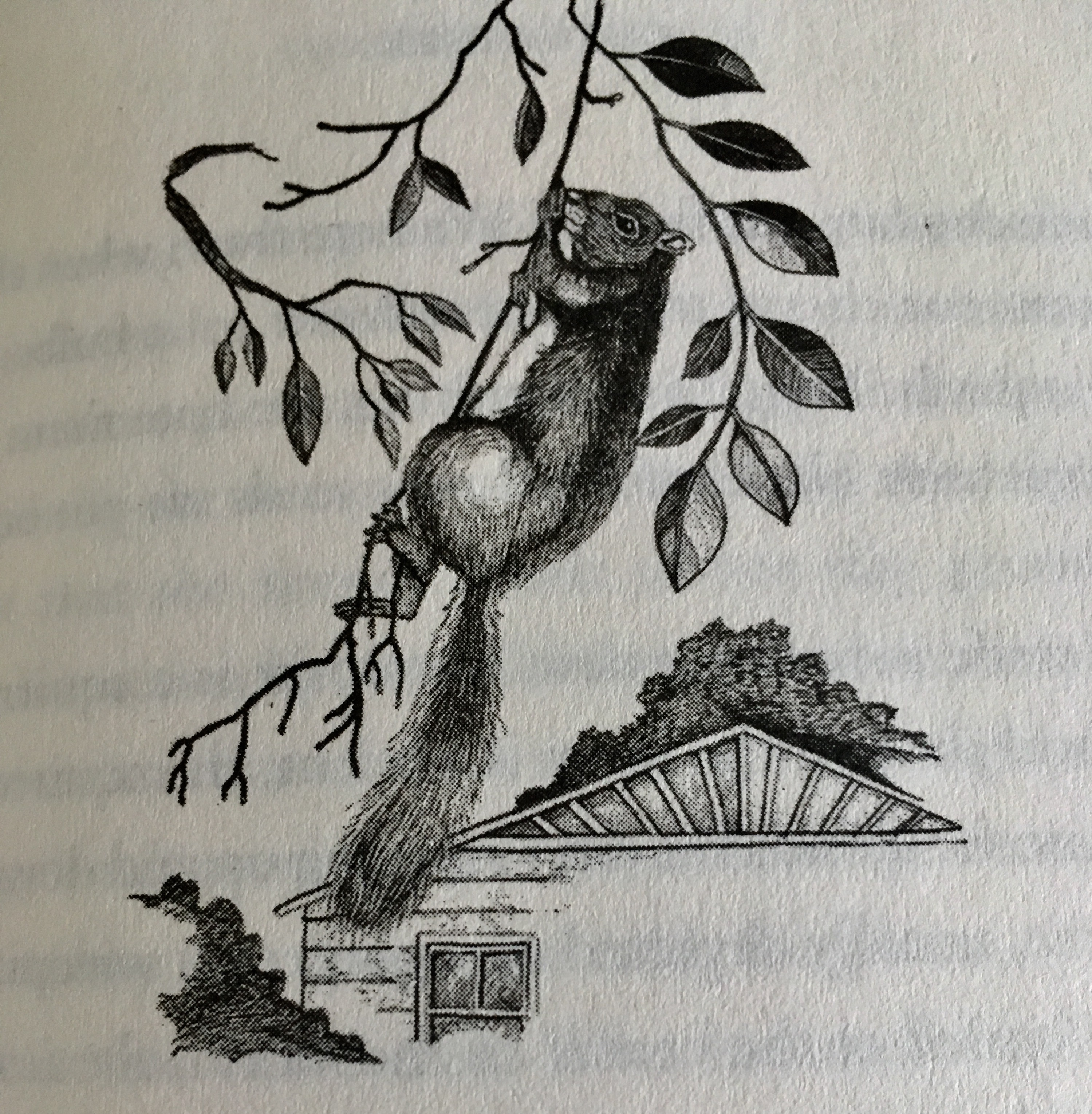
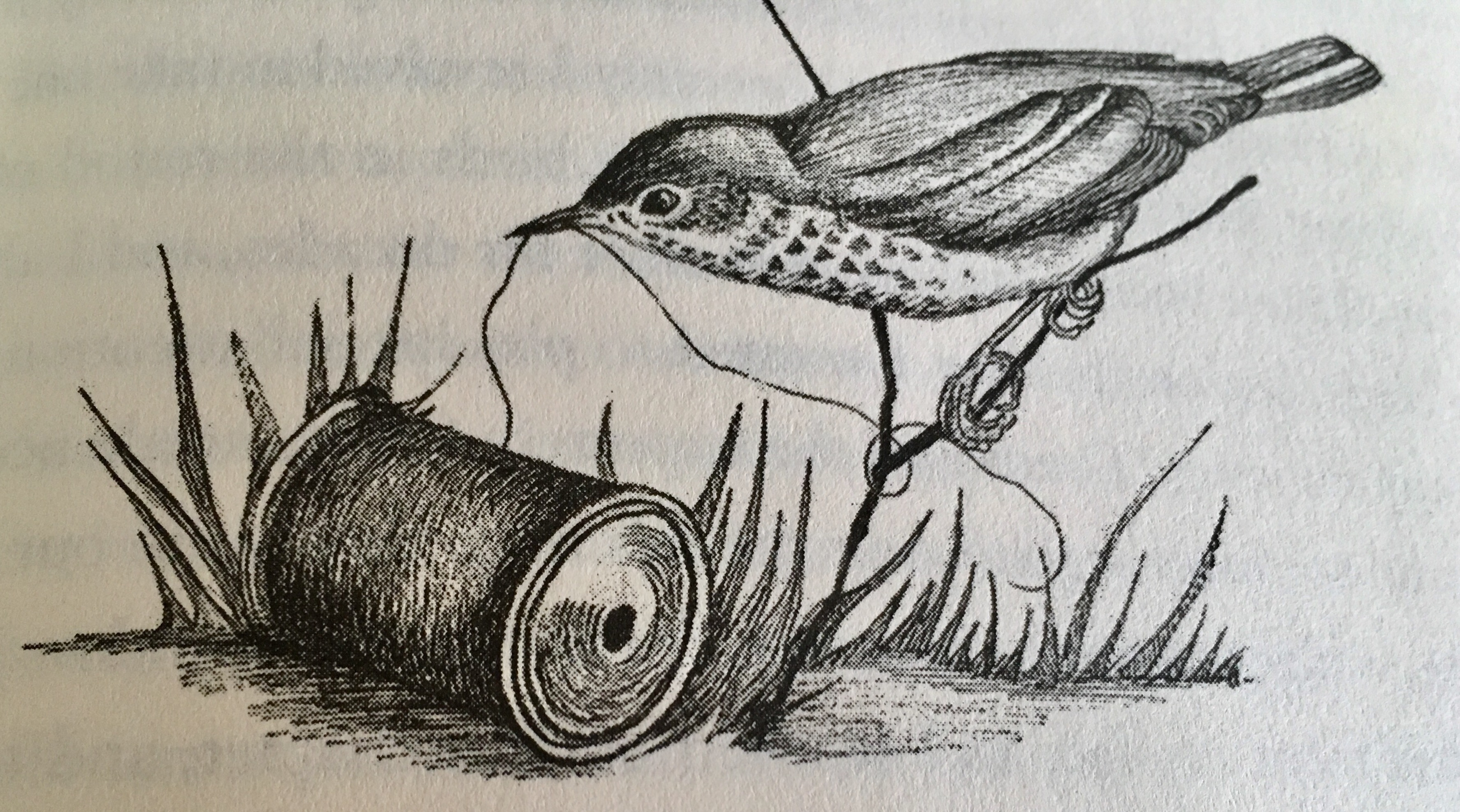
    All illustrations by Tracie Noles-Ross

    Medieval bestiaries merged natural history, myth, religion, and moral lessons. Haupt’s modern take on the “book of beasts” includes the latest science research, personal anecdotes, and practical suggestions to describe animals found in North American cities.

    The book is divided into three sections (“The Furred,’’ “The Feathered,’’ “The Branching and the Rooted’’), with chapters for specific species like “Raccoon,’’ “Opossum,’’ “Squirrel and Rat,’’ “Chickadee,” “Crow,’’ “Hawk and Owl,’’ “Tree,’’ and “Human.’’

    IMG_5214

    The City as Ecosystem

    Haupt describes how our urban places are ecosystems for animals and shows how different species adapt to find shelter, water, and food. Although a few of her examples are applicable to her native Seattle but not New York City (like stellar jays), she does a good job of describing common urban animals in North America.


    IMG_5226

    Haupt offers a fascinating account of natural history and the relatively new science of animal intelligence. In each chapter, I learned new facts like:

    Opossums’ marsupial pouches are watertight.

    Rats exhibit true altruism and laugh when their tummies are tickled.

    Chickadees’ calls are a rare example of intraspecies communication with other birds.

    Crows can recognize and remember human faces.

    City ecological niches are shared by hawks in the day and owls at night.


    IMG_5230

    Haupt includes practical guidance in wildlife spotting, like how to:

    • Recognize a young squirrel
    • Use snow days to look for wildlife tracks
    • Distinguish a dog track from a coyote track
    • Read raccoon scat
    • Identify bird calls


    IMG_5212

    Haupt also tackles how our relationships with wild animals can be adversarial. She traces the history of invasive species like house sparrows and starlings. She interviews urban wildlife management specialists and shares her own anecdotes and analysis of pests and threats. It’s thought-provoking and Haupt offers no easy answers.

    IMG_5221

    Daily Habits to Connect to the Wild

    Haupt writes convincingly on why noticing wildlife is so important:

    “[Urban wildlife watching] asks us to find the wild thing, the peaceful presence, the animal awareness, in the ordinary moments of our daily lives and places. It asks us to bridge any disconnection between home and wild nature, to accept the constant continuity with the more-than-human world that is an essential part of human life, no matter where that life is lived.”

    IMG_5222

    She offers simple habits to rediscover your aptitude for awareness in nature, like:

    • Keep a nature log
    • Study the signs of seasonal change
    • Sleep outside
    • Learn the robin’s song
    • Cultivate a still spot
    • Walk more
    • Sketch birds
    • Study field guides
    • Celebrate the seasons with abandon
    • Save trees
    • Share lettuce
    • Write your own bestiary, and allow the creatures around you to contribute to its pages with their own tracks, words, roars

    The Urban Bestiary is an entertaining and inspiring read. For more information, check out the author’s site The Tangled Nest or listen to a podcast interview about the book.


    hawkowl

    If you want to start urban wildlife watching now, try this nature observation experiment Count the Animals You See.

  • Smell the Soil in SoHo

    Yesterday was spectacularly beautiful in New York City. Just a few weeks ago, when the city was dreary and the streets were covered with snow, I needed to remind myself that spring was indeed on its way.  So I embarked on an expedition to a SoHo loft filled with moist and fragrant soil.

    That’s right. Dirt. It’s also art.

    If you need a moment of quiet from the City That Never Sleeps or long for an unusual sensory experience, you should visit the New York Earth Room.

    Discover the New York Earth Room

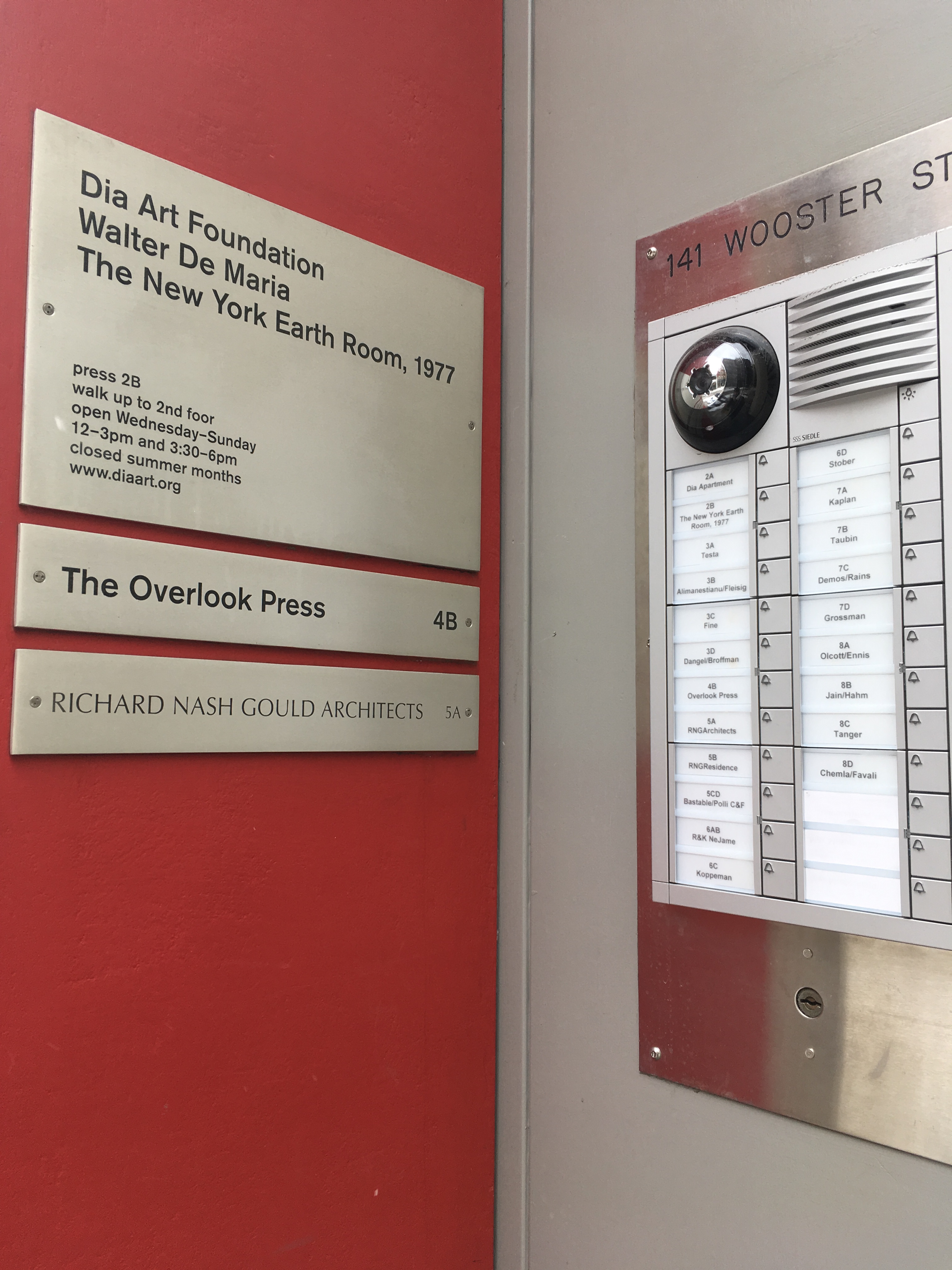
    The New York Earth Room is an interior earth sculpture by the artist Walter De Maria.  It’s located at 141 Wooster Street, among SoHo’s fancy boutiques and high-end stores.

    IMG_5165

    It feels rebellious to walk down this SoHo block and think, “I’m not here to buy anything. I’m here to look at dirt.”

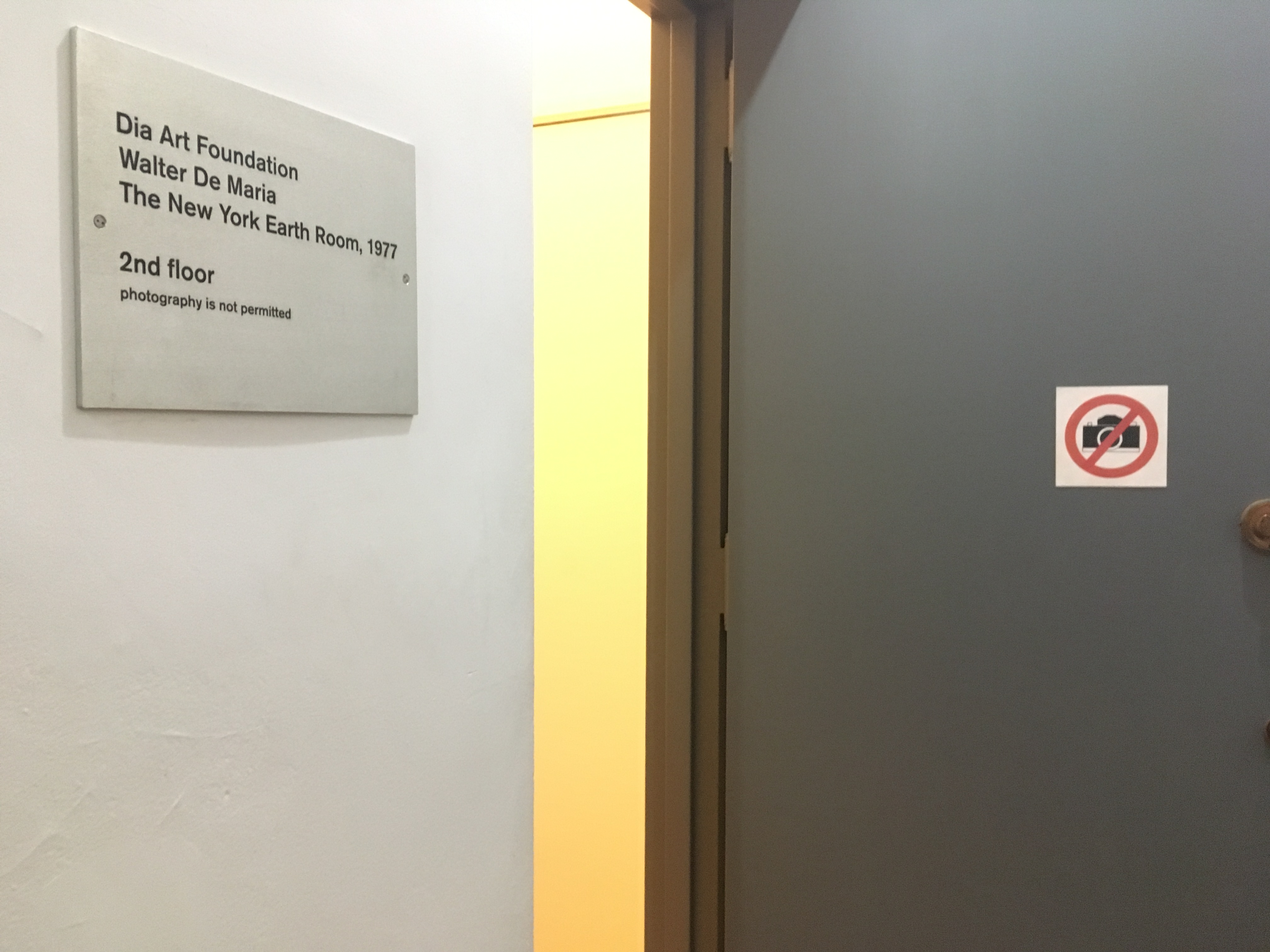
    Maintained by the Dia Art Foundation, the New York Earth Room was installed in 1977. There are 280,000 pounds of soil behind these second-story windows.

    IMG_5167

    When you arrive, you have to buzz in. The Earth Room is free and open Wednesday through Sunday. It is closed in the summer months so curators can maintain the soil.

    IMG_5168

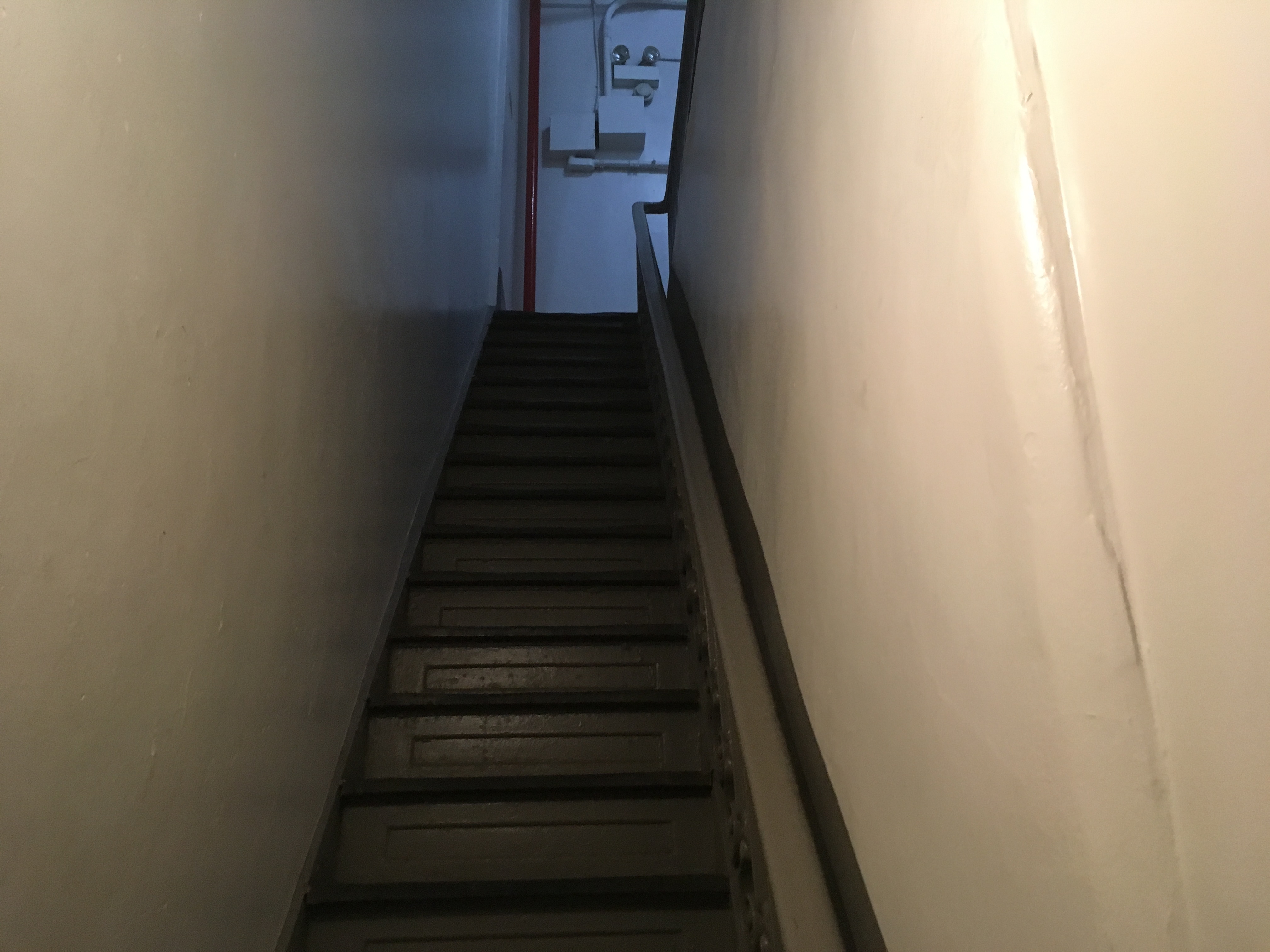
    It’s the quintessential New York experience — you have to climb a narrow stairwell to get to somewhere interesting. There is also an elevator if you need it.

    IMG_5170

    No photography is allowed, by the wishes of the artist. It’s time to put your phone away and prepare to smell rich soil in an unlikely location.

    IMG_5171

    Experience a Strange Sensory Delight

    The Earth Room is a 22-inch-deep layer of dirt spread across a 3,600-square-foot loft. There is a small viewing area where you can look out on the expanse.

    It’s a good spot to find solitude, slow down, and linger.

    321646334_4628a129ab_o
    Image by Valeygirlv

    It is humid and smells of rich loamy soil. The soil looks textured, fluffy, and raked.

    You may find yourself thinking about:

    • Real estate
    • Nature and man-made nature
    • Art
    • What the smell of soil reminds you of
    • What lives inside 40-year-old, 2-foot-deep dirt
    • How the artist has passed away but the earth remains

    Speak to the Keeper of Earth and Time

    If you have questions, you can talk to the caretaker at the front desk, Bill Dilworth. Bill has been the caretaker of the Earth Room since 1989.

    He also maintains the old clock in the tower of St. Teresa’s Roman Catholic Church on Henry Street on the Lower East Side.

    The New York Times featured an interesting piece about Bill, including the detail that his business card reads “Keeper of Earth and Time.”


    For more information about hours or directions, check out Dia’s New York Earth Room website.

  • Must. Notice. Spring.

    A few years ago, a very intense work project took over my life. The days and nights were a blur of computer screens, meetings, and takeout. Spring in New York is a special time but that year I missed it entirely.

    Afterwards I vowed that I. Must. Notice. Spring.

    IMG_5257
    Forsythia blooms on a Brooklyn block

    If you are feeling nature deprived or need a mood boost, go outside for 30 minutes and seek these first signs of spring.

    Notice the New Colors

    After a long winter, we don’t even really notice how bare and drab our surroundings look until we see the first pops of color. Notice the yellow forsythia, witch hazel, and daffodils suddenly punctuating your daily view.

    IMG_5278
    So much yellow at Grand Army Plaza

    The Return of Birds (and Birders)

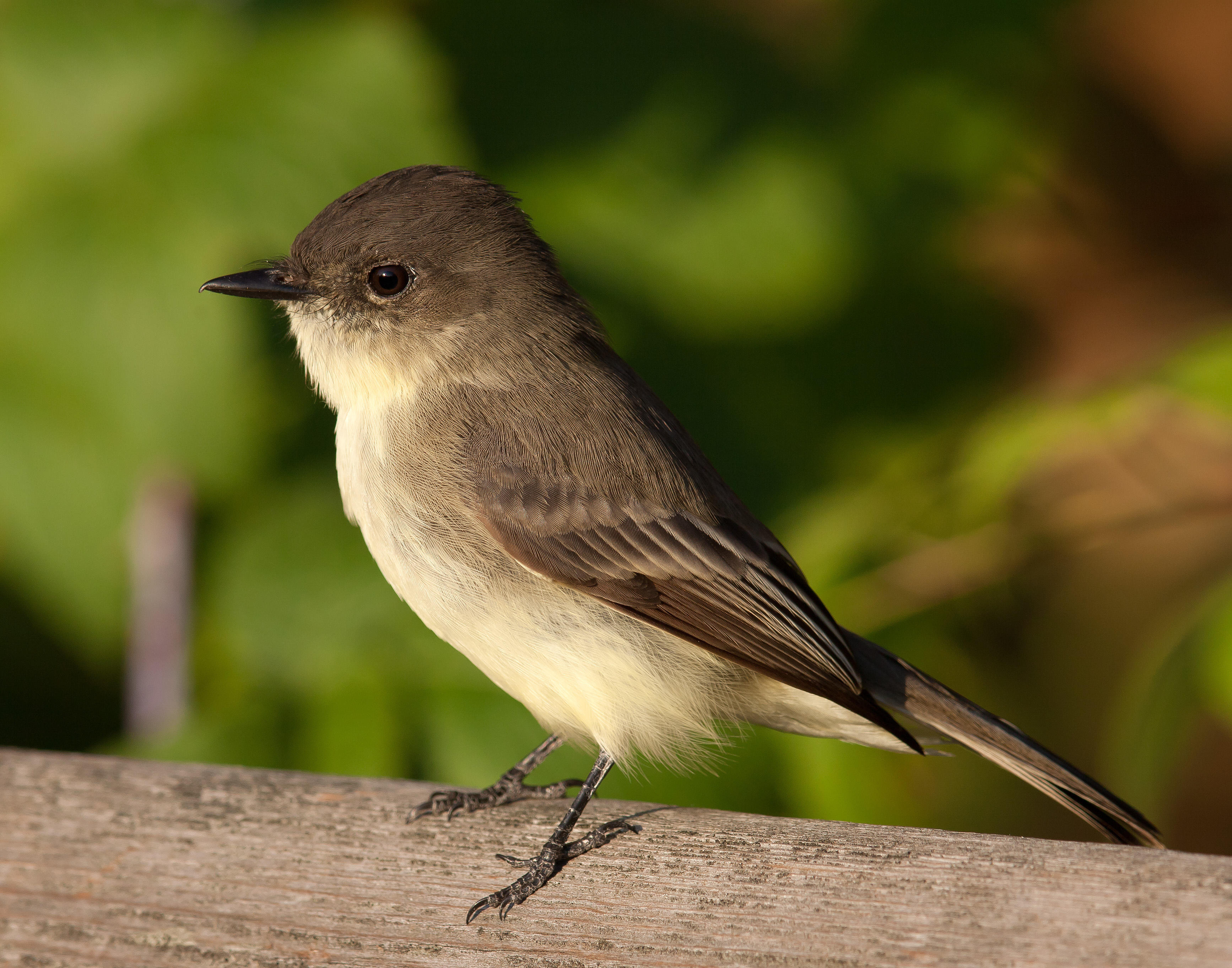
    New York City is a prime location on the bird migratory path, the Atlantic Flyway. Starting mid-March, songbirds begin to arrive. If you are a beginner birdwatcher, this is the perfect time to start noting what you see.

    phoebe
    My favorite first spotting – the tail-wagging Eastern Phoebe (image credit)

    Take a walk at dusk along Central Park’s Sheep Meadow or Prospect Park’s Long Meadow to listen to the robins’ evening song. Now is the perfect time to soak up the sights and sounds of early spring.

    robin
    American Robins singing all over NYC (image credit)

    Be like the newly-arrived robins.

    “With a start, a bounce, a stab
    Overtake the instant and drag out some writhing thing.”

    — Ted Hughes, “Thrushes”

    Take an Expedition to Hear Spring Peepers

    The spring peeper (Pseudacris crucifer) is a tree frog about an inch long, known for its enormous voice. These tiny frogs make their way to woodland vernal pools in early spring to call out for mates.

    Just listen to the amphibian cacophony:

    You can hear these little guys in NYC!

    I usually visit Floyd Bennett Field in Brooklyn in March to hear the spring peeper chorus. Other places to hear peepers in the five boroughs include: Jamaica Bay Wildlife Refuge and Alley Pond Park in Queens, and Clove Lakes Park in Staten Island.

    I’d love to hear if you also look for these signs of spring. What are your favorite reminders to notice the season? Let me know in the comments below.

    IMG_5267
    Daffodils at Bryant Park – a timely reminder to look around


  • Set Up an Imaginary Nature Webcam

    Welcome back to Slow Nature Fast City. I took a bit of a break over the past few months and I look forward to once again spending more time outside in New York City.

    During my hiatus, I happened upon a new technique for noticing nature. I call it the Imaginary Nature Webcam.

    Perhaps, like me, you’ve discovered that you can interrupt a dull workday by watching the natural world online. One of my favorite ways to procrastinate is to peek at puffins in Maine or observe Grizzlies catching salmon in Alaska or marvel as the Aurora Borealis light up the Canadian sky.

    A nature web cam offers a glimpse of the world we never see or sometimes even forget is there.

    Scout a Location to Install Your (Imaginary) Camera

    There are many simple ways to connect to the natural world, even in everyday city life. Sometimes we just feel sluggish, run-down, or bored and we need a little push to go outside. Try this light-hearted experiment if you know you should spend time in nature, but need a reason to start.

    NYBG


    To begin this experiment, think of a favorite nearby outdoor space. It may be a place you always look forward to seeing on a daily walk. Perhaps it is a place you felt a glimmer of wonder. Maybe it’s the place where you first noticed an animal or flowering tree.  Commit to visiting this green space again in the next few days, no matter what the weather.

    If no favorite place comes to mind, plan to scout out a location. In New York City, consider visiting Central Park, Prospect Park, Van Cortland Park, Alley Pond Park, or choose another city park.

    Make a Movie of the Mind

    After you arrive at your favorite outdoor space, take a few moments to settle in. Put your phone away and take a few deep breaths.

    Prepare to observe everything you can see, smell, and hear for the next 15 minutes.


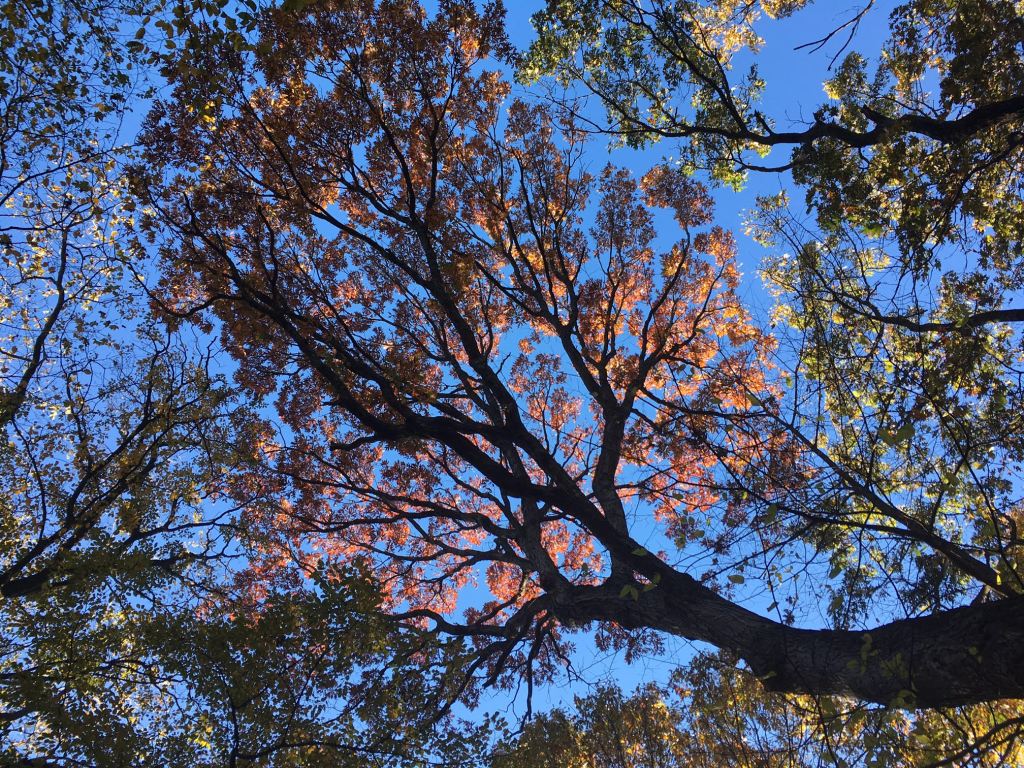
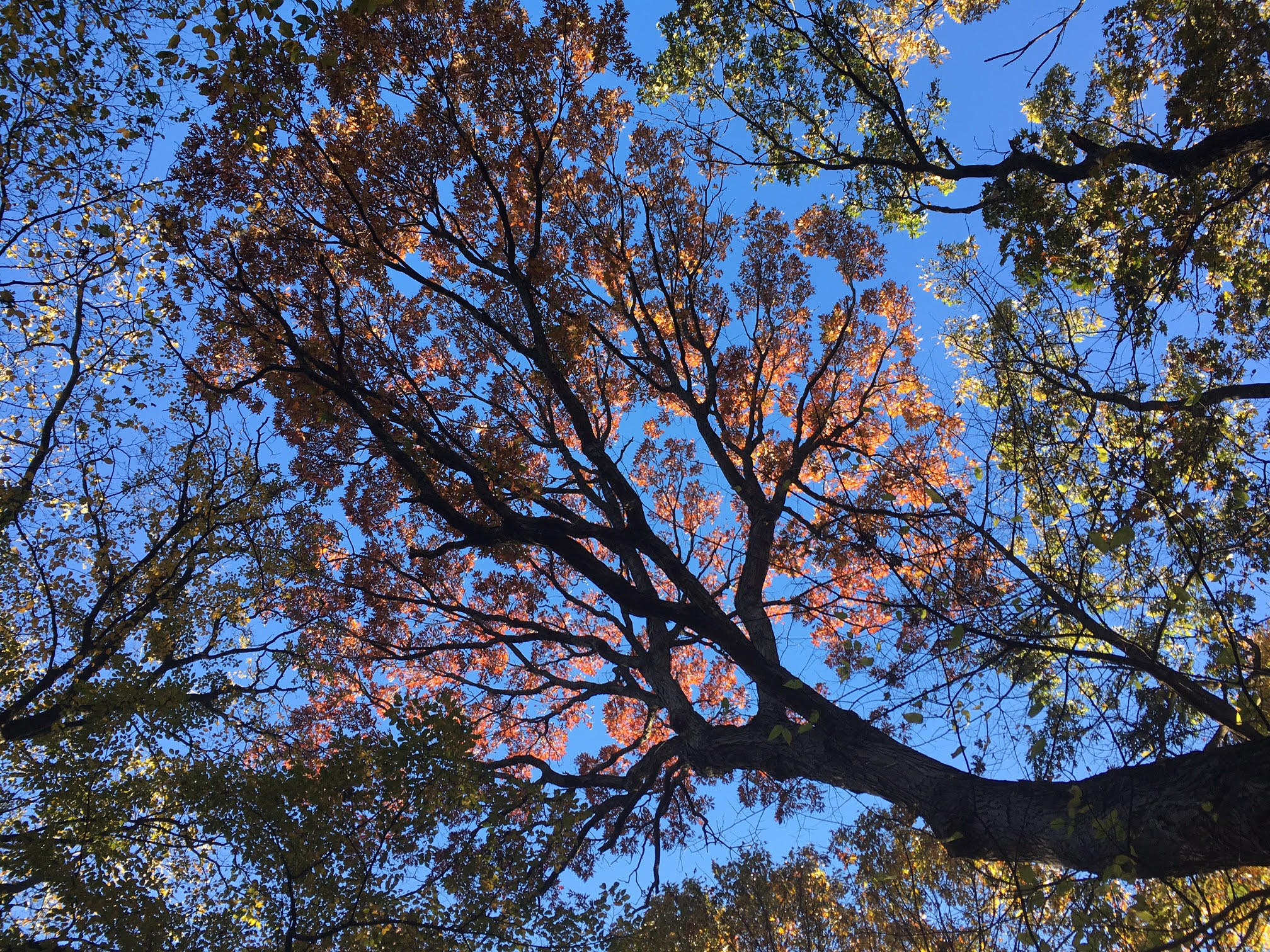
    tree

    Take your time to notice:

    • The slant of the light
    • The colors surrounding you
    • The shapes and silhouettes of the landscape
    • Movement in your field of view. Notice the movement of trees, water, clouds in the sky, animals, people.
    • The quality of the air. Is it still or is there a breeze?
    • The feel of the sunlight, rain, or snow on your skin
    • The sounds. Do you hear wind through trees, birdsong, a squirrel rustling leaves, or people talking in the distance?
    • The scents. Is it fragrant, tangy, loamy, pleasant, unpleasant?

    Mentally catalog each observation for a full 15 minutes. This may feel like a long amount of time. If your mind wanders, bring it back to what you see or hear. Ease into it. Go deeper. Imagine that you will try to recall every moment later.

    My own imaginary webcam is set up in the Ravine in Prospect Park. It’s here that I heard the otherworldly flute song of the wood thrush for the first time. To help recreate that moment for you, I recommend that you listen to a wood thrush.

    Watch the Imaginary Live Feed

    The day after your visit, continue the experiment. For five minutes, take a few quiet breaths and imagine that you are at the location again. Use images, words, and sense memories to recreate the scene in your mind.

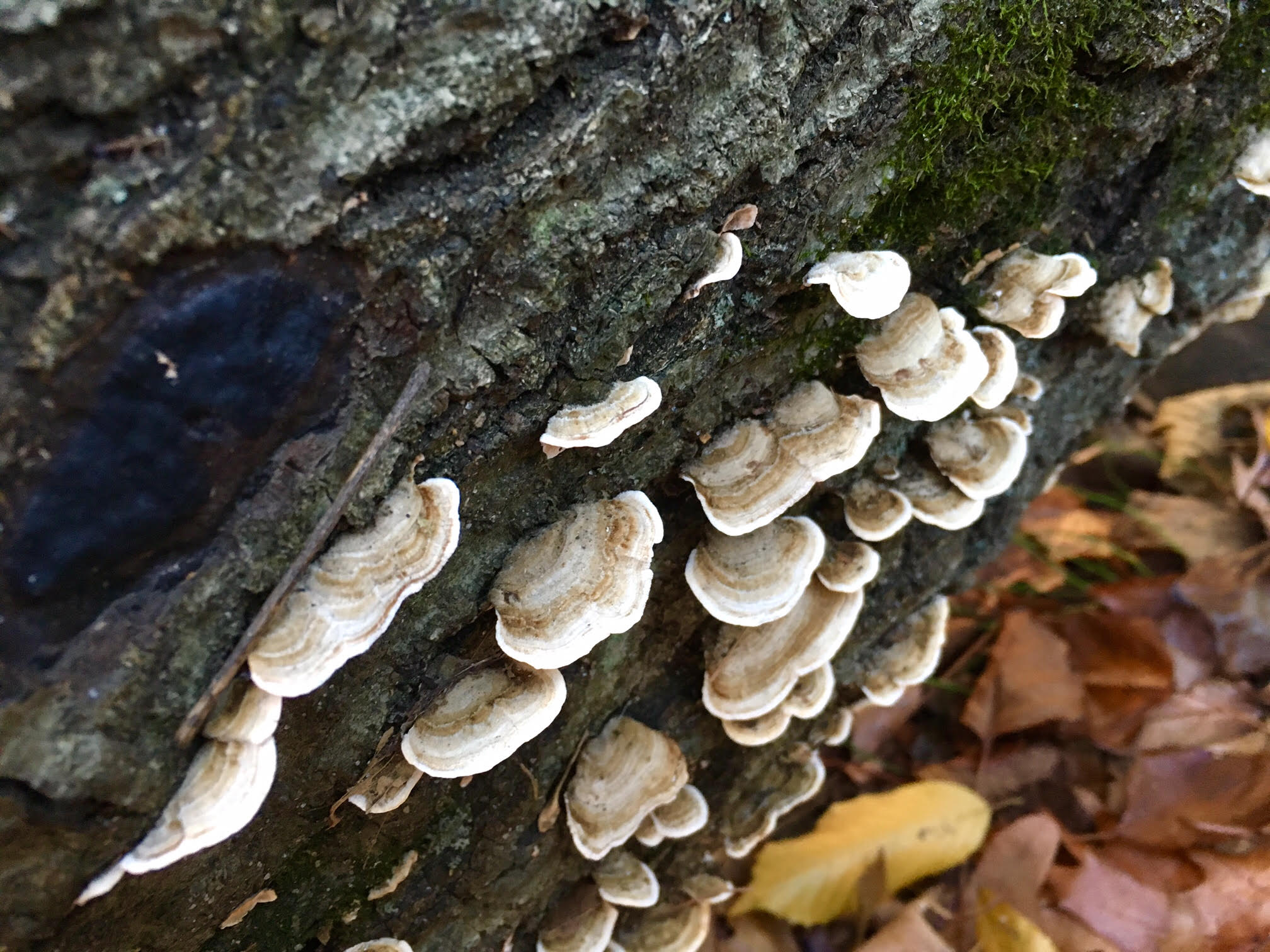
    mushroom

    You can also try this experiment right at bedtime or when you first wake up in the morning. Take a few moments to imagine your location.

    What is happening now? What has changed? Are bats flying above the trees at night? Is there a chorus of birdsong at dawn?

    You can use this as a moment of meditation or as a way to enhance your own curiosity of the non-human world.

    asters

    Consider trying this experiment periodically. You can put it on your calendar to visit your favorite spot on the equinoxes or solstices. Here are more ways to put nature on your calendar.

    I’d love to know if you’ve ever used this technique before. Let me know if you set up your own imaginary nature webcam and what you noticed.

  • NYC Landscapes for the Heartbroken

    There are many ways to try to cope with heartbreak: burrowing under the covers, comfort eating, binge-watching, talking to friends, and obsessive social media monitoring. You can also try to go outside to find solitude, take a long walk, and try to change perspective.

    If you live in or are visiting New York City, here are a few places worthy of a visit when you are sad, desolate, or heartbroken.

    When You Need to Cry Outside, But Not In Public

    In NYC, we often share our private spaces. If you don’t want your roommate/partner/children to hear you crying, consider going outside to find privacy. Visit Green-Wood Cemetery in Brooklyn for almost guaranteed solitude in a quiet and beautiful setting. You can walk for hours among centuries-old trees, pausing in the shade of gravestones and statues to sob your heart out.

    greenwood_katiecarman
    Green-Wood Cemetery by Katie Carman

    Founded in 1838, Green-Wood was one of the first rural cemeteries in America. Its 478 acres of hills, valleys, ponds, and wooded paths became a popular tourist attraction in the 1860s and inspired New York City’s Central Park and Brooklyn’s Prospect Park.

    greenwood_timothyvogel
    Minerva waves to Lady Liberty (photo by Timothy Vogel)


    Climb to the top of the hill in Green-Wood, one of the highest points in Brooklyn, to see the bronze Minerva statue waving to the Statue of Liberty across New York Harbor.

    You may also see the hallucinatory sight of bright green parrots fly by. A colony of monk parakeets nest in the cemetery’s gates.

    If you are looking for an encouraging sign, you may find one in the monk parakeets, descendants of the escaped who thrive against all odds.

    When You Need to Walk It Off

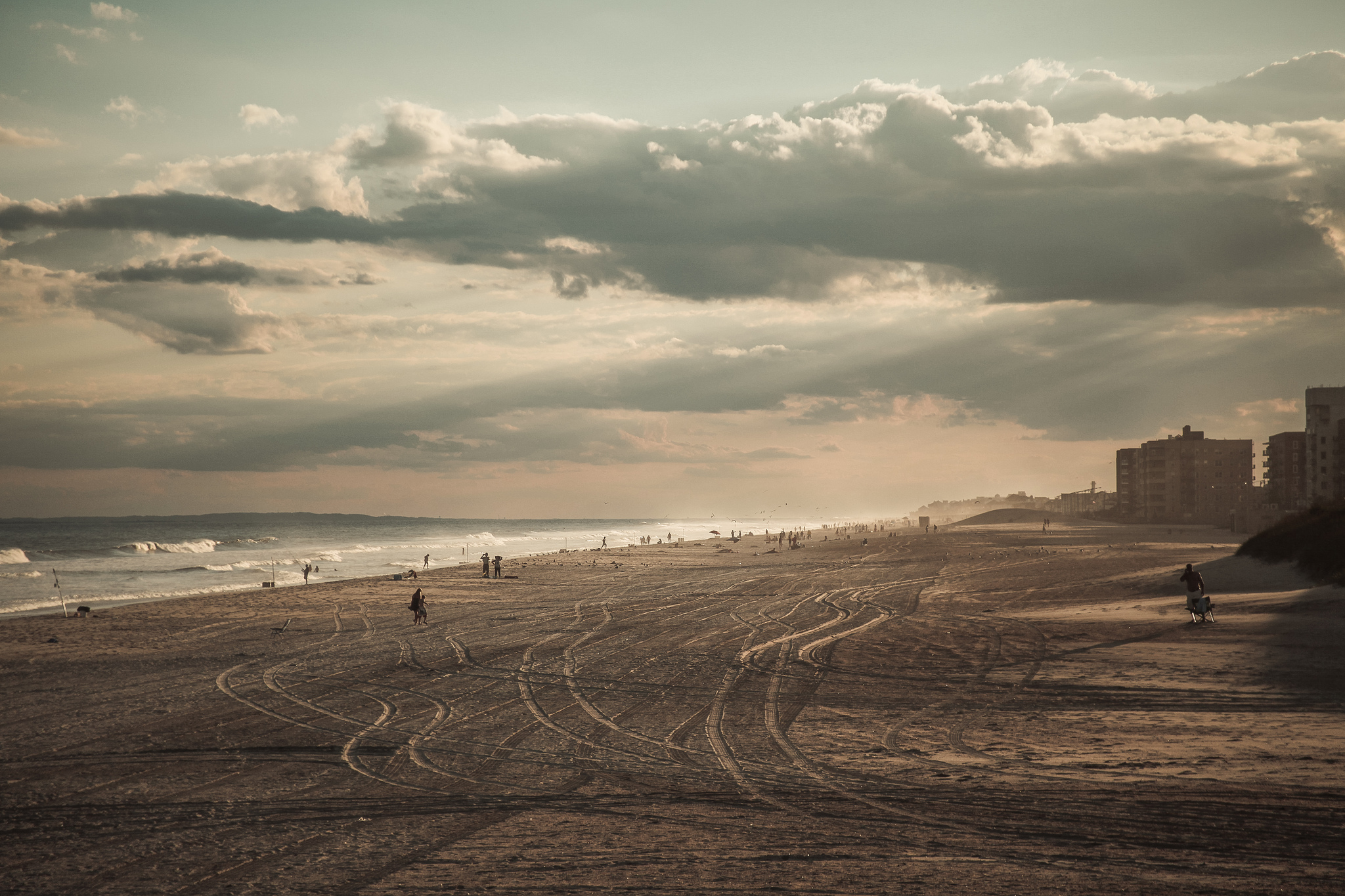
    Sometimes the best antidote to heartbreak is a long walk along the water with an unencumbered view of the horizon. There are a few options in the five boroughs. My favorite is a long walk along Rockaway Beach.

    rockaways_stefanngeorgi
    Rockaway Beach by Stefan Georgi

    Rockaway Beach is the largest urban beach in the United States. It stretches for more than five miles along the Rockaway Peninsula facing the Atlantic Ocean. I like to start at the Beach 98 (the Beach 98 – Playland subway stop) and walk for miles in either direction.

    Depending upon the time of year, you might have the beach to yourself. You might find solace in the continuous tides and the vastness of the ocean.

    When You Need Perspective

    If you want to change your perspective, try a hike through Inwood Hill Park. It’s the perfect place to focus on Deep Time as an antidote to mourning in your own human time.

    inwoodhillpark_steveguttman
    Inwood Hill Park by Steve Guttman

    At the northern-most tip of Manhattan, Inwood Hill Park has the city’s last native forest. Some of the trees here tower 100 feet overhead and have lived here for more than 200 years. Try to imagine the trees’ past and what they have stood through.

    Inwood will remind you of geological time. On your hike, you will pass cave-like rock shelters, slabs of bedrock piled up from the glaciers that passed eons ago. Look for large indentions in the rocky outcroppings along the path. These are glacial potholes, hollowed out from water melting from glaciers 20,000 years ago.

    It may help your heart to think about a rock’s history. Try to imagine the rock’s “life” thousands of years ago. Envision your parallel time periods. Imagine the rock’s future.

    These are just a few urban nature retreats in NYC that might offer solace when you need it. What is your favorite landscape to visit when you are sad?


  • Count the Animals You See


    This experiment to count the animals you see is inspired by the marvelous book Dear Data: A Friendship in 52 Weeks of Postcards (Public Library).

    deardatabookcover

    Giorgia Lupi, an Italian woman living in New York, and Stefanie Posavec, an American woman living in London, are both information designers. They began a yearlong correspondence of tracking, drawing, and sharing their personal data through postcards.

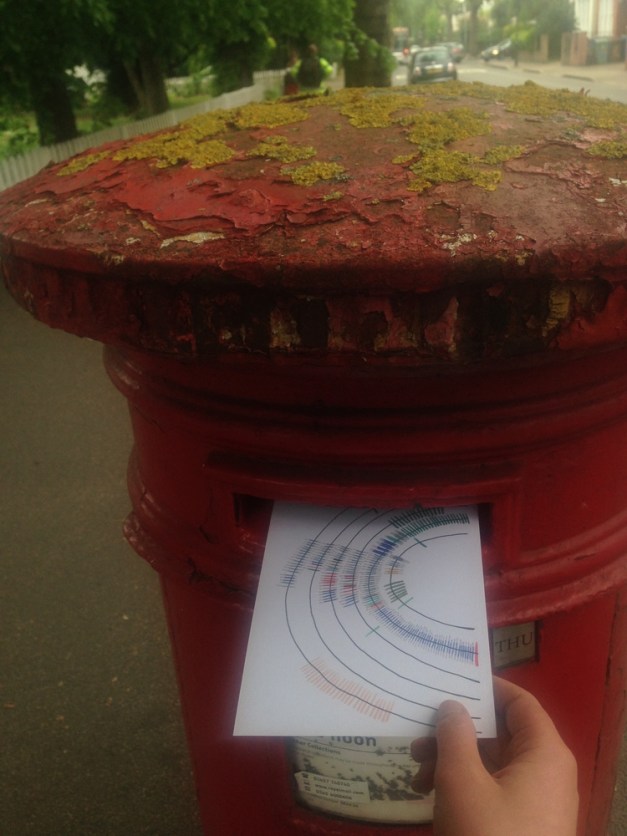
    Each week they would choose a subject on which to collect data on themselves like how often they complained, or the times they felt envious, or the sounds they heard. Then they created a drawing of the data on a postcard and mailed it to each other across the Atlantic.

    mailingpostcard

    What You Pay Attention To Matters

    In September, I attended a discussion with the Dear Data creators that was moderated by Maria Popova of Brain Pickings. Giorgia and Stefanie described  how the experience of paying such close daily attention changed their awareness of their surroundings.

    They said they also learned:

    • The nature of our questions drives our observation
    • What we track reveals our personality
    • By tracking, we encounter the “data void” or things we don’t notice

    What we choose to look at it is what we think is important.

    – Stefanie Posavec from Dear Data

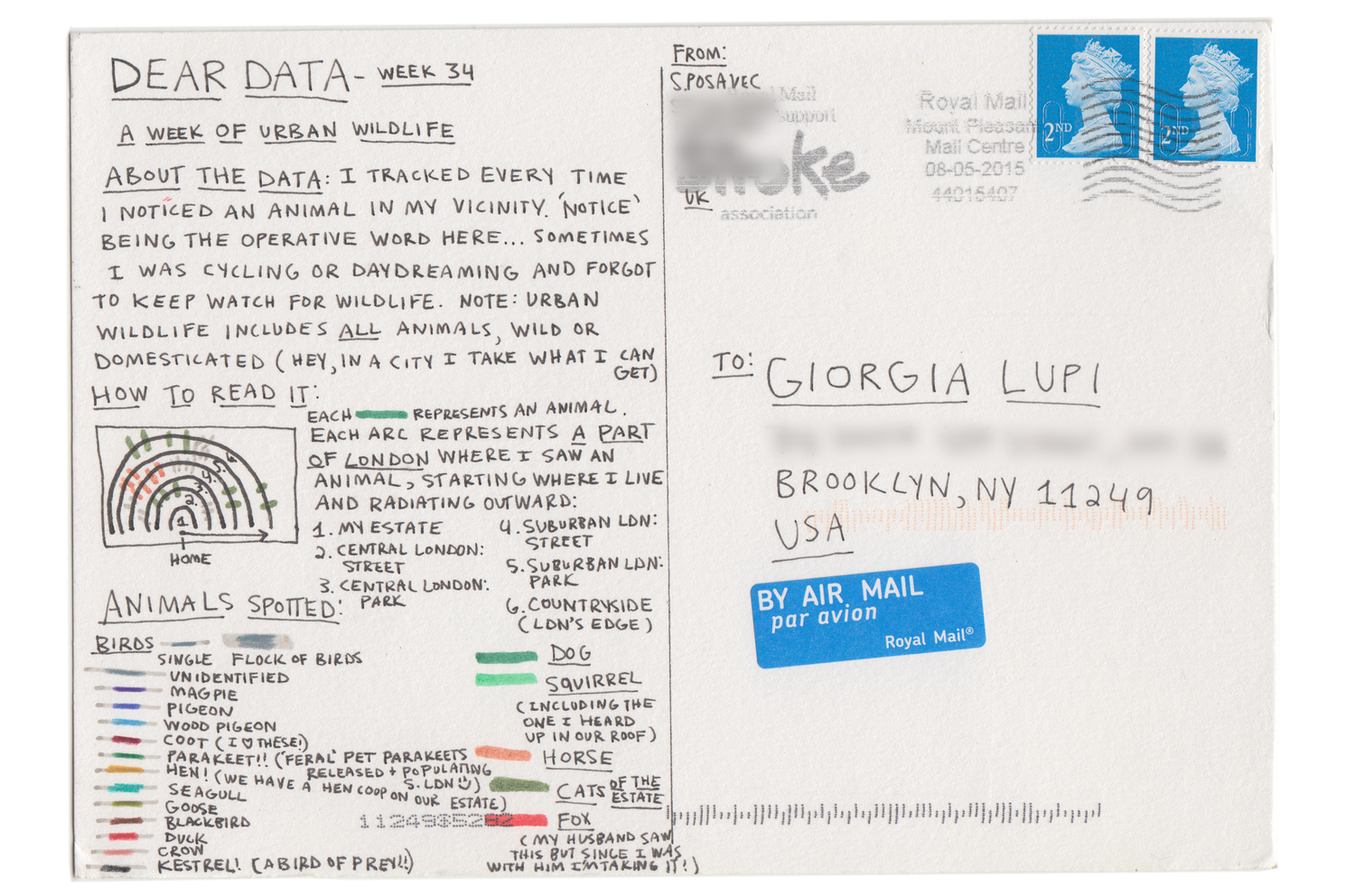
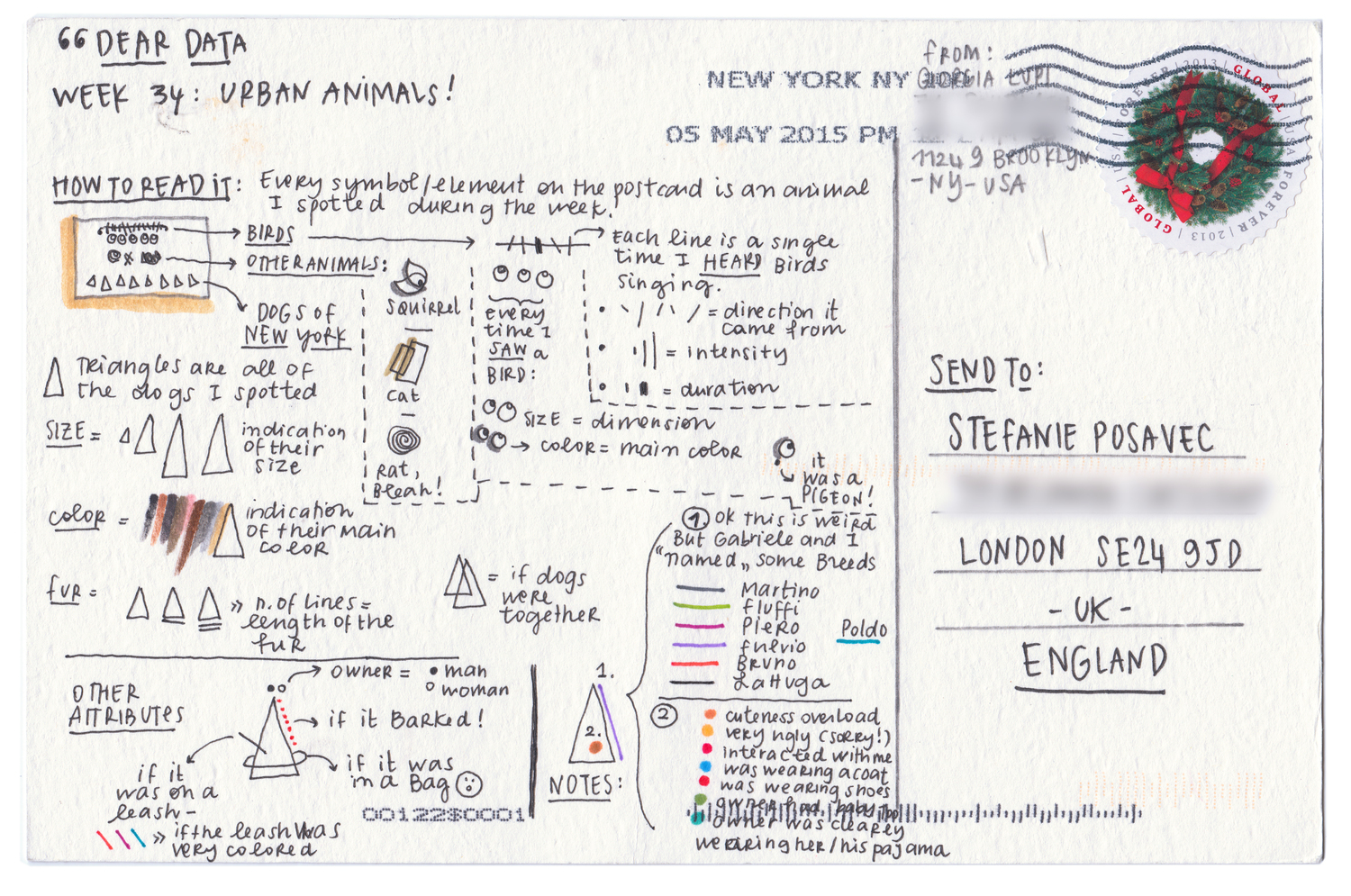
    The Favorite: Urban Wildlife Week

    During the talk, Stefanie revealed that her favorite weekly experiment was when they noted all the animals they spotted in their urban environments of New York City and London.

    stefanie_deardata_34front

    stefanie_deardata_34back

    giorgia_deardata_34_front

    giorgia_deardata_34_back

    You can read more about their notes and process here.

    Count Animals This Week

    This week I encourage you to try out your own Dear Data project and note the animals you see. For seven days, keep a list of all the animals you see (you can include dogs and cats, like Giorgia and Stefanie, if you want.) A few hints:

    • Keep your eyes on the skies and building outcroppings
    • Subway tracks are reliable areas for rat-spotting
    • Visit larger parks to increase your mammal sightings of raccoons, squirrels, and chipmunks
    • If you want to bump up your “critter count,” visit different landscapes. If you’re in NYC, this is a good excuse to spend time in the forests, at the riverside, and at the seaside  – all accessible in the five boroughs.
    • Experiment with different ways to document your wildlife sightings. Try lists, drawings, categorization, location. So many possibilities!

    Have you ever tried to keep a wildlife list before? Let me know if you try this experiment and how it goes.