Slow Nature Fast City

A beginner's guide to noticing and exploring nature in NYC

  • Home
  • Start Here
  • Try This
  • Find Nature
  • Currently Reading
  • About

recent posts

  • Cherry Blossom Viewing in NYC
  • Follow the Cascades of Central Park
  • Slow Down in a City That Wants You to Speed Up
  • Five Ways to Cultivate Awe
  • Currently Reading: The Urban Bestiary

  • Weekend Plans: Whales, Oysters, and Jupiter

    Weekend Plans: Whales, Oysters, and Jupiter

    July 1, 2016

    Ready to celebrate Independence Day (and to enjoy a long weekend)? I know I am. Here are a few ways to explore the natural world in NYC and beyond (July 2 – 3, 2016):

    Go Outside

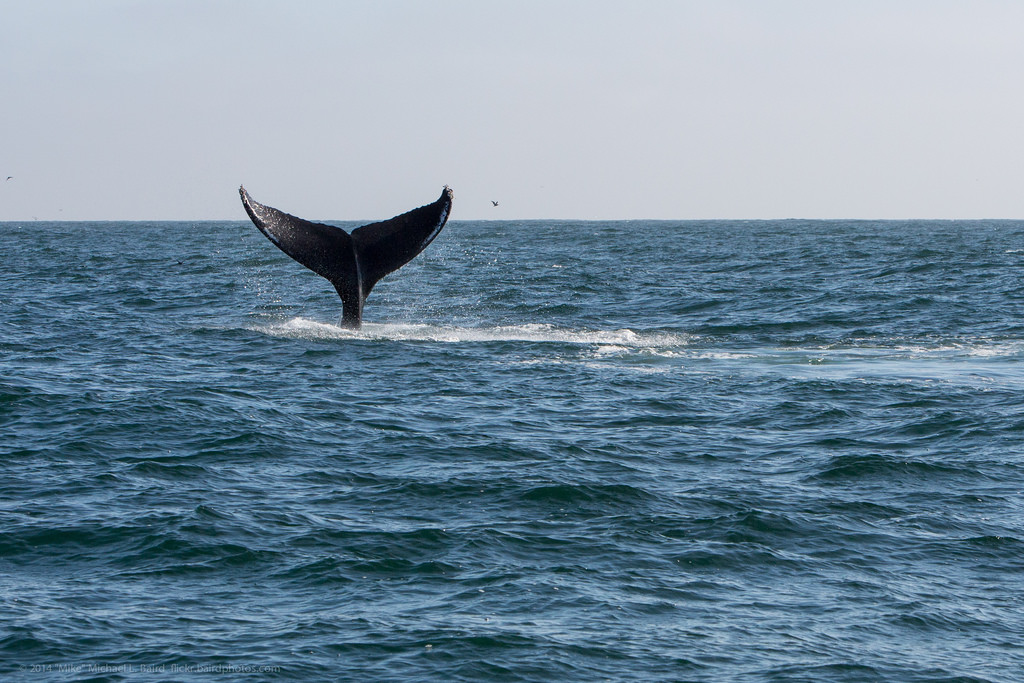
    Take a Summer Friday to see humpback whales off the coast of the Rockaways. Learn more about whale watching and research in New York City from Gotham Whale.

    Speaking of the Rockaways, the entire Rockaway boardwalk is open for the first time since Hurricane Sandy. Join the Urban Rangers at Beach 86th Street for Plover Day and celebrate 20 years of endangered species protection of the Piping Plover.

    Join naturalists and look for dragonflies, native plants, and wildlife on a free nature walk along the Hudson River Park’s esplanade.

    Stop by a telescope in Lincoln Center Plaza or Brooklyn Museum Plaza and try to see Jupiter and its moons.

    If you want to avoid the crowds for July 4th fireworks, you can always try to find tiny lights instead: fireflies.

    humpbackwhale
    Humpback Whale by Mike Baird

    Listen

    Once oysters were so plentiful in the New York City that the streets were paved with oyster shells. By 1906, our waterways were so polluted that the oysters disappeared. Now we are living in a 21st-century “oyster renaissance.” Listen to WNYC’s podcast about NYC oysters with Pete Malinowski, chief oyster officer at the New York Harbor School.

    Read

    For nearly five years, NASA’s Juno spacecraft has travelled towards Jupiter. On July 4, Juno will finally arrive at its destination. The New York Times has a great round-up of what we hope to learn about Jupiter.


    Share this:

    • Click to share on Tumblr (Opens in new window) Tumblr
    • Click to email a link to a friend (Opens in new window) Email
    • Click to share on Reddit (Opens in new window) Reddit
    • More
    • Click to share on LinkedIn (Opens in new window) LinkedIn
    • Click to share on Pinterest (Opens in new window) Pinterest
    • Click to share on Bluesky (Opens in new window) Bluesky
    Like Loading…
  • Listen for a Non-Human Voice

    Listen for a Non-Human Voice

    June 29, 2016

    I was an indoorsy person from an indoorsy family. I grew up with Entertainment Tonight on the television at dinnertime; I could identify hundreds of celebrities whether I cared about them or not. I couldn’t identify much from the natural world.

    Then I began to notice nature in New York City.

    The First Mysterious Encounter

    My first natural discovery was in Prospect Park. I found a bird singing in an overgrown bush. At least, I guessed it was a bird. I couldn’t actually see it.

    The bird’s song was a series of astonishing whistles, clicks, gurgles, and whines. I circled the bush, trying desperately to get a glimpse.  I spent at least ten minutes peering through leaves, craning my neck, and feeling increasingly foolish. I never saw the bird.

    All I could tell you was that the mystery bird sounded like R2D2.

    Unfortunately, I couldn’t find the description “sounds like R2D2” in any bird field guides.

    After a few more attempts at spotting the singing bird, I finally saw it. It was a dapper gray bird with a dark cap and dusky rose under its tail.

    catbird
    Gray Catbird by Fyn Kynd Photography


    It was a Gray Catbird.

    Here’s an example of the Catbird’s song.

    Do you think it sounds like R2D2?

    R2D2
    R2D2 by bejadin.info

    Listen for a Non-Human Voice

    For this week’s experiment in observation, I invite you to listen for a non-human voice.

    If you are a beginner, it may feel disorienting to focus your attention away from the human world. Like my first catbird, you may need to train your senses to see the animal or insect making the noise.

    You may make unusual associations as a way to remember what you hear like “this bird sounds like a malevolent slide whistle” or “this bird sounds like a fax machine.”

    Take a couple of 10-minute sound walks this week. Here are a few suggestions:

    • Seek quiet areas with fewer people like side streets, gardens, parks
    • Experiment with different times of day; for example, you may hear birds singing in the morning and frogs croaking at dusk
    • Take your own field notes or field recordings; you may not find any field guides that correspond to your own sound descriptions but that’s ok

    What did you hear?

    Great Places in NYC to Hear a Non-Human Voice

    • The Ravine, Prospect Park, Brooklyn
    • The Ramble, Central Park, Manhattan
    •  Teardrop Park, Manhattan
    • The New York Botanical Garden, the Bronx
    • Jamaica Bay Wildlife Refuge, Queens

    I’d love to find out what you think of this experiment. Please let me know in the comments below.


    Share this:

    • Click to share on Tumblr (Opens in new window) Tumblr
    • Click to email a link to a friend (Opens in new window) Email
    • Click to share on Reddit (Opens in new window) Reddit
    • More
    • Click to share on LinkedIn (Opens in new window) LinkedIn
    • Click to share on Pinterest (Opens in new window) Pinterest
    • Click to share on Bluesky (Opens in new window) Bluesky
    Like Loading…
  • Notice the Ephemeral: Fireflies

    Notice the Ephemeral: Fireflies

    June 26, 2016

    One of my favorite signs of summer in the eastern United States is the twilight flickering of the common eastern firefly (photinus pyralis). Have you seen a firefly this summer?

    fireflies
    Image by s58y
    firefly_terrypriest
    Image by Terry Priest

    Fireflies, also known as lightning bugs, are actually beetles. They flash each other as a way to find mates. Their bioluminescence is incredibly energy-efficient; almost 100 percent of their chemical reaction results in light. In contrast, our most energy efficient light bulbs lose 90% to heat. Here is a treasure-trove of fascinating facts about fireflies.

    If you are in NYC this Tuesday, June 28, 2016 at 7:00pm, the Brooklyn Bird Club hosts a lecture on fireflies by biologist Sara Lewis. She’ll present her research from her new book Silent Sparks: The Wondrous World of Fireflies. She will lead an evening walk in search of fireflies after the talk.

    You can also watch Sara Lewis’s charming TED talk on the loves and lives of fireflies.

    My favorite place in New York City to see fireflies is the Long Meadow in Prospect Park. I usually see them at the end of June. What about you?

    Share this:

    • Click to share on Tumblr (Opens in new window) Tumblr
    • Click to email a link to a friend (Opens in new window) Email
    • Click to share on Reddit (Opens in new window) Reddit
    • More
    • Click to share on LinkedIn (Opens in new window) LinkedIn
    • Click to share on Pinterest (Opens in new window) Pinterest
    • Click to share on Bluesky (Opens in new window) Bluesky
    Like Loading…
  • Weekend Plans: Ibis-Spotting, Urban Gardening, and Fireflies

    Weekend Plans: Ibis-Spotting, Urban Gardening, and Fireflies

    June 24, 2016

    This weekend I’m learning about seahorses that live in the Hudson River(!). Here are a few more ways to explore the natural world in NYC and beyond (June 25-26, 2016):

    • Learn about urban gardening at the GROW Festival in Crown Heights (Sat. 6/25)
    • Get a sneak-peek of the largest park to be created in NYC in 100 years – Freshkills Park (Sat. 6/25)
    • Spot ibis, egrets, and terns on a sunset ecology cruise with Jamaica Bay experts Don Riepe and Mickey Cohen (Sun. 6/26)
    • Listen to how the Rockaway Pennisula isn’t as old as you think
    • Dream of seeing fireflies in the Great Smoky Mountains; are the firelflies out in NYC yet?
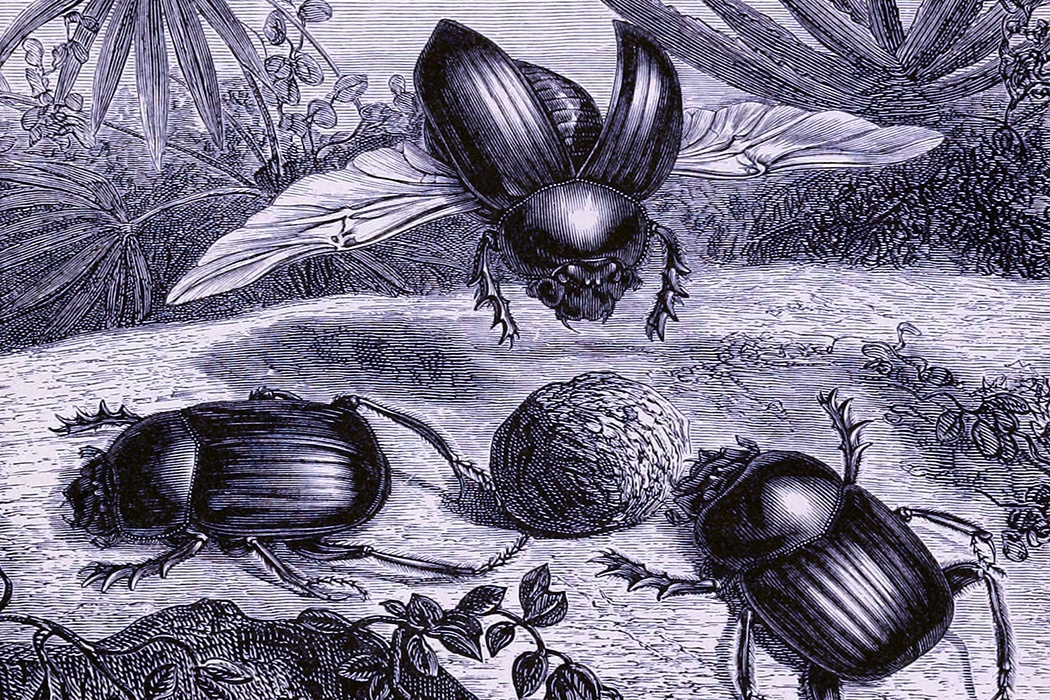
    • Read about the complex navigational abilities of dung beetles and other insects


    dung_beetles
    “Dung Beetles” from Internet Archive/Flickr by way of JSTOR Daily 


    Share this:

    • Click to share on Tumblr (Opens in new window) Tumblr
    • Click to email a link to a friend (Opens in new window) Email
    • Click to share on Reddit (Opens in new window) Reddit
    • More
    • Click to share on LinkedIn (Opens in new window) LinkedIn
    • Click to share on Pinterest (Opens in new window) Pinterest
    • Click to share on Bluesky (Opens in new window) Bluesky
    Like Loading…
  • On the Rocks in Teardrop Park

    On the Rocks in Teardrop Park

    June 23, 2016

    Teardrop Park is a unique public park nestled in Battery Park City in Lower Manhattan. At only 1.8 acres, it offers an incredible variety of terrain for its small size. Though surrounded on all sides by apartment buildings, Teardrop Park offers quiet and contemplative paths worthy of your exploration.

    2016-05-06 14.05.56
    2016-05-06 14.04.35
    2016-05-06 14.12.30
    2016-05-06 14.10.34
    2016-05-06 14.15.12
    2016-05-06 14.08.08

    Retreat into Nature in Lower Manhattan

    As you enter from River Terrace, you will walk a path lined with native trees and plantings. The first vantage point to explore is Shadbush Hill, a small tree grove of shadbush trees (also known as serviceberry trees). These trees bloom in early spring and their snowy white flowers are often one of the first blooms in NYC. The shadbush blooms at the same time the shad fish run up the Hudson River to spawn.

    Continue on to The Marsh, a small fenced wetland that is a popular water source for birds. This is a good spot in spring and fall to look for migrating songbirds. Even if you don’t know much about birds, this small oasis is a perfect place to begin your own bird observations. Linger here to listen for a non-human voice.

    Climb higher to the Hilltop Reading Circle, a great vantage point to look out over the lawn and to see the Beech Grove and Witch-hazel Dell in the distance. If you work nearby, the hill is a great destination for a lunch-time wander.

    Contemplate Geological Time

    On my first visit to Teardrop Park, I was surprised and delighted by the rock formations.

    2016-05-06 14.23.40
    2016-05-06 14.11.10
    2016-05-06 14.11.20
    2016-05-06 14.13.45
    2016-05-06 14.11.53
    2016-05-06 14.07.03


    The rock slabs are an art installation by the artists Ann Hamilton and Michael Mercil. Here is how the artist described the work:

    Three bluestone sections evoke a sense of geologic flux and transition between present time (now) and past time (then).  While recalling a natural history of the Hudson River Valley, these sections might also recall the processes of quarrying, or of masonry.  But this stonework neither comes from nor quite belongs to any of those things.  And because it was never any other built thing, the stonework is not a ruin. – Ann Hamilton

    Take your time walking along the rock slabs. Notice the lichen or wet blossoms on the rocks. Imagine the history of the rock compared to the your own history.

    2016-05-06 14.25.13
    2016-05-06 14.23.52
    2016-05-06 14.30.37
    2016-05-06 14.17.20
    2016-05-06 14.29.15


    Nearby the enormous Ice Wall.  Water trickles down its surface, and in winter, is often covered in icicles.

    You can duck through a small tunnel through the wall and enter the shady southern portion of the park. This is an active play area for children and features a slide, sand lots, and an amphitheater.

    Teardrop Park is dog-free, just in case you were hoping to bring a canine companion. It’s a hidden location for most tourists and locals, so you have a good chance of catching a quiet moment during your visit.

    For directions or more information, check out the Teardrop Park site. Have you visited Teardrop Park? What did you think?

    Share this:

    • Click to share on Tumblr (Opens in new window) Tumblr
    • Click to email a link to a friend (Opens in new window) Email
    • Click to share on Reddit (Opens in new window) Reddit
    • More
    • Click to share on LinkedIn (Opens in new window) LinkedIn
    • Click to share on Pinterest (Opens in new window) Pinterest
    • Click to share on Bluesky (Opens in new window) Bluesky
    Like Loading…
  • Currently Reading: The Wander Society

    Currently Reading: The Wander Society

    June 20, 2016

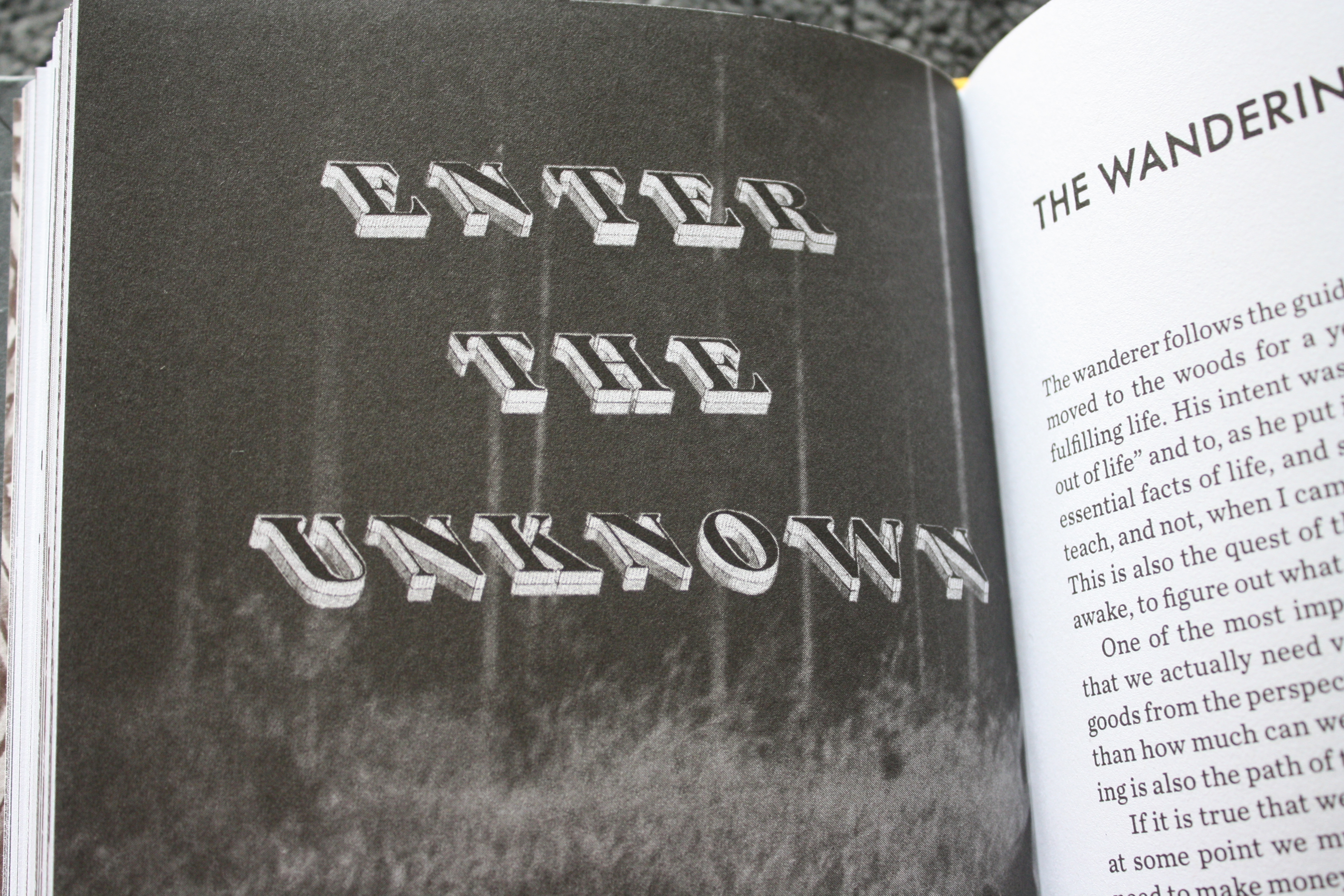
    Keri Smith’s The Wander Society begins with a mystery. While reading a used copy of Walt Whitman’s Leaves of Grass, Smith discovers a curious hand-drawn mark of a thunderbolt with a circle around it and the inscription “The Wander Society.” Her curiosity piqued, Smith begins a search for the enigmatic group.

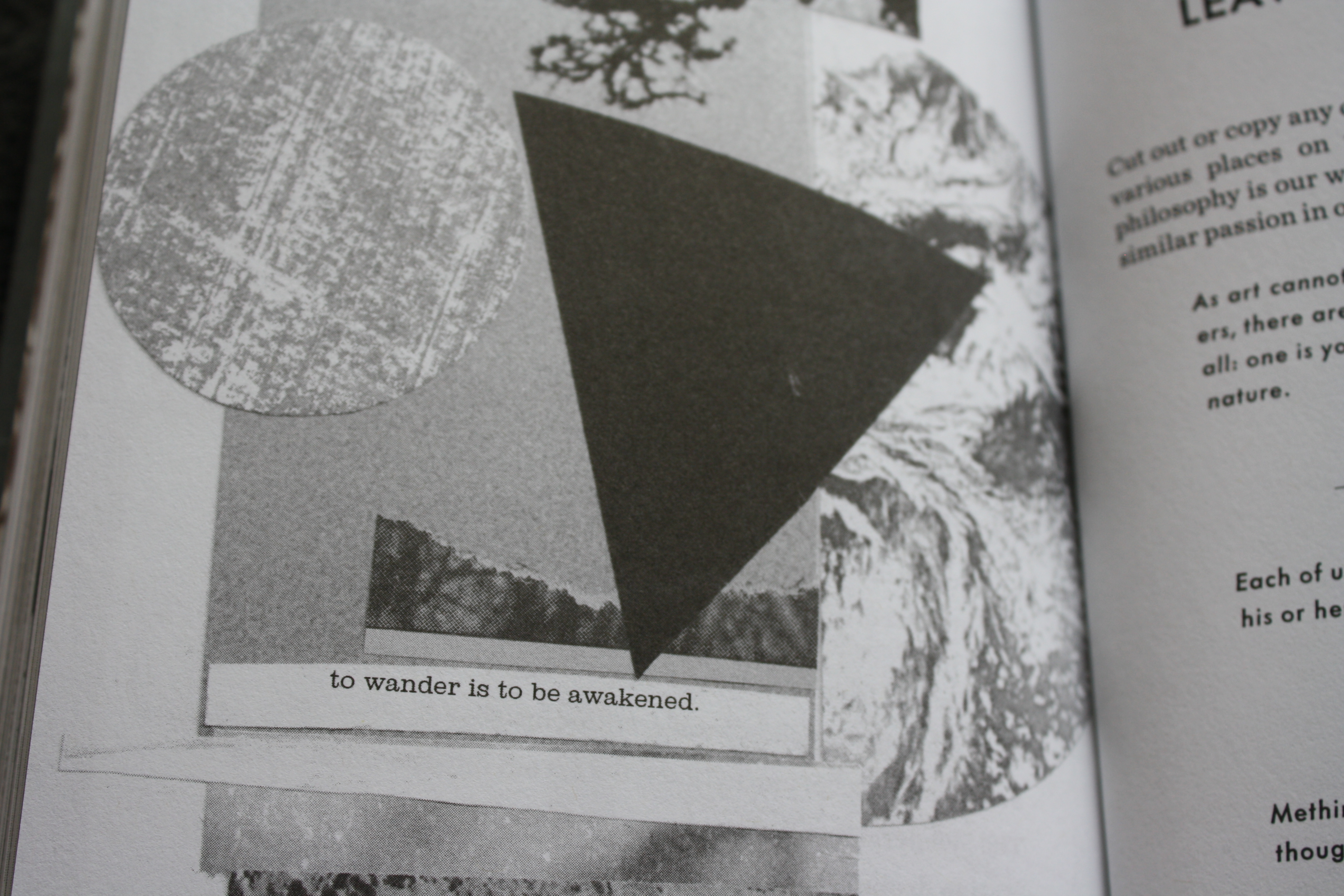
    The Wander Society (Public Library) is the result of her investigations. Smith shares her personal discoveries of what it means to wander.  It’s a delightful and instructive guide to aimlessness.

    2016-05-10 08.42.442016-05-10 08.22.542016-05-10 08.23.562016-05-10 08.31.56

    Keri Smith is the author of Explorer of the World, Wreck This Journal, and many other books on exploration and creativity. In her latest book, Smith proposes a philosophy of wandering and experimentation in random navigation.

    My only objective was to journey with my eyes open. This was to be my new practice, every day. Open to the unknown, completely awake, I would wander. – Keri Smith, The Wander Society
     

    2016-05-10 08.34.24

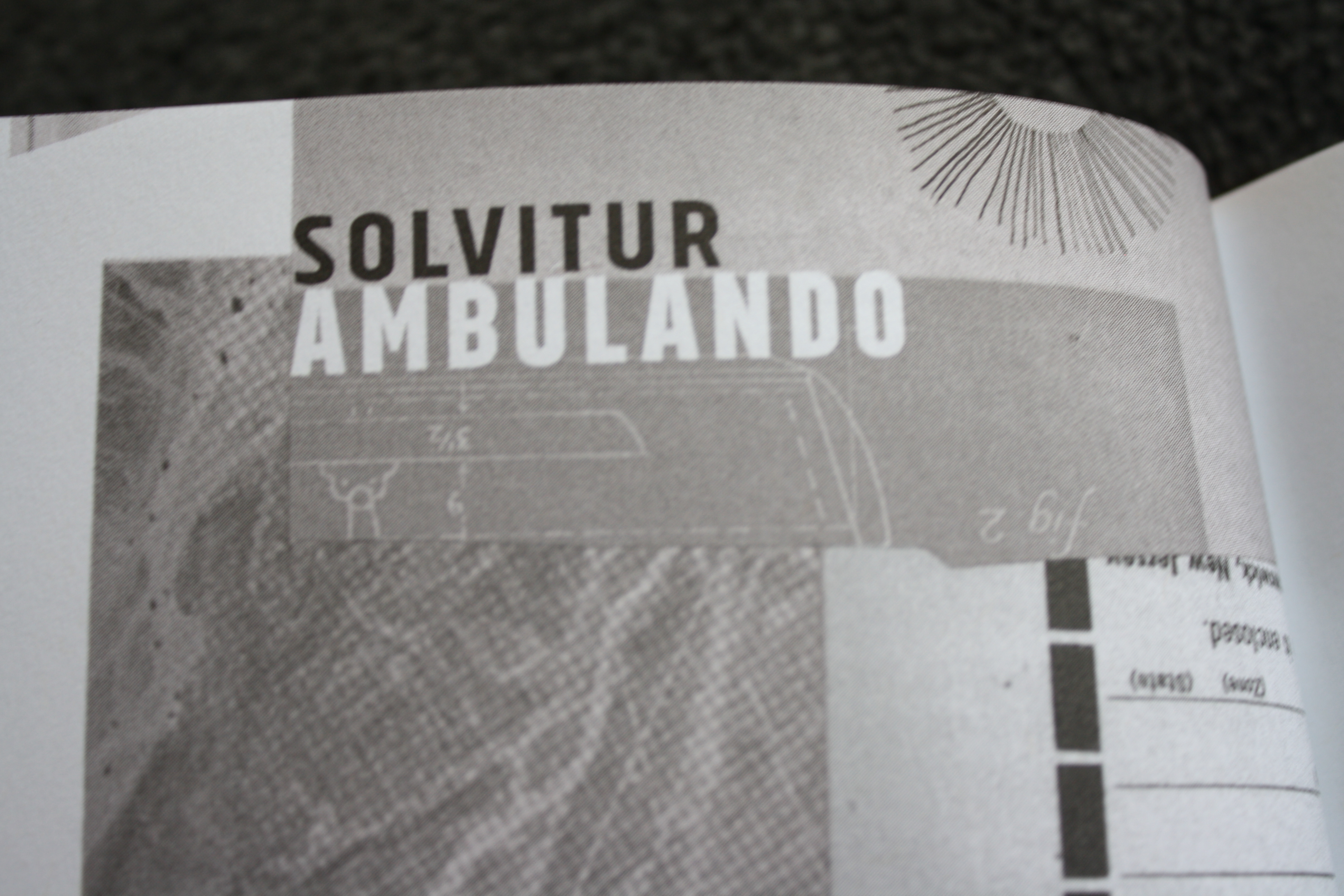
    She discovers a key phrase of the Wander Society is Solvitur ambulando, translated from Latin as “It is solved by walking.” (I later learned this phrase is also a favorite of Lewis Carroll, Henry David Thoreau, Bruce Chatwin, Paul Theroux, and Dr. Oliver Sacks.)
    2016-05-10 08.28.10

    Smith finds the society has a manifesto of Wandering Precepts:

    1. Wander every day.
    2. Do not plan your wanderings. Start in any direction. The location is not important.
    3. Use whatever you have. (You have everything you need.) Use your senses.
    4. Collect and gather. Document experiences and findings.
    5. Remain open. Breathe deeply. Ask the question, “What can I discover?”
    6. Allow ideas to come in. Write them down.
    7. Question everything you have been told.
    8. Use your imagination in your wanderings.
    9. Use your intuition. Follow hunches. Go toward what you are drawn to.
    10. Encourage your own wild nature. What makes you feel truly alive?

    2016-05-10 08.26.21

    Admittedly, many people feel that their To Do lists are too long to include a daily wander. Smith responds with the benefits of unstructured time. She also explores the mystical nature of wandering and the importance of randomness.

    She points to the work of fellow wanderers like Walt Whitman, Virginia Woolf, John Muir, Thich Nhat Hahn, Tom Brown, Walter Benjamin, Georges Perec, and Rebecca Solnit for inspiration. I found her suggested reading list worthy of further study.

    She offers assignments to encourage wandering like “track one color during a session,” “document the wind,”  or “find something that has been transformed.” If you are looking for new ways to discover or observe familiar surroundings, these exercises are helpful.

    She also outlines how-to projects like making a wander badge, a walking stick, a wrist cuff, a neck pouch, and a field notebook. These DIY projects may not be everyone (at least they weren’t for this reader), but may inspire those who want to craft personal tools for wandering.
     

    2016-05-10 13.05.43

    2016-05-10 08.29.292016-05-10 08.27.27


    I whole-heartedly believe that shaking up one’s daily routine can help one see more deeply. The Wander Society is a beautiful and whimsical call to the unknown.
    2016-05-10 08.35.34

    If you would like to read further on observation, check out the fascinating book On Looking: Eleven Walks with Expert Eyes.

    I also have created easy experiments in nature observation for New Yorkers or other interested folks. I invite you to take a look.
    Share this:

    • Click to share on Tumblr (Opens in new window) Tumblr
    • Click to email a link to a friend (Opens in new window) Email
    • Click to share on Reddit (Opens in new window) Reddit
    • More
    • Click to share on LinkedIn (Opens in new window) LinkedIn
    • Click to share on Pinterest (Opens in new window) Pinterest
    • Click to share on Bluesky (Opens in new window) Bluesky
    Like Loading…
  • Weekend Plans: Your Longest Day + Shortest Shadow

    Weekend Plans: Your Longest Day + Shortest Shadow

    June 17, 2016

    We in the northern hemisphere are about to experience our longest day and shortest night of the year. Monday, June 20, 2016 is our summer solstice.

    earthsolstice_nemfrog
    Fig 50. Solstice. The heavens, an illustrated handbook of popular astronomy. 1867. From archive.org by way of nemfrog

    The solstice, from the Latin words sol (sun) and sistere (to stand still), is when the Earth’s axis is most tilted towards the sun. For the first time since 1948, we also have a full Moon on the summer solstice.

    Here are a few ways to celebrate the summer solstice in NYC and beyond:

    • Start the solstice with a sunrise concert that begins in total darkness; gradually the dawn light and music fills the largest cathedral in the world. Join the Paul Winter Consort on Saturday June 18th for the 21st annual Summer Solstice Celebration at New York’s Cathedral of St. John the Divine
    • See the rare solstice Full Moon low on the horizon in the early morning hours of Monday, June 21. The Moon will appear amber-colored — a true Honey Moon.
    • Go outside at 1:00 pm on June 20 to see your shortest shadow of the year
    • Also on June 20, join thousands of yogis for an annual summer solstice celebration with free yoga in Times Square (yes, Times Square)
    • On Tuesday, June 21, watch the sunset on the water during a solstice paddle from Socrates Park


    burrittgeographyheavens
    Detail from Elijah Burritt’s “Burritt’s Atlas” 1856. (AMNH)

    Do you celebrate the summer solstice? Feel free to leave a reply.


    Share this:

    • Click to share on Tumblr (Opens in new window) Tumblr
    • Click to email a link to a friend (Opens in new window) Email
    • Click to share on Reddit (Opens in new window) Reddit
    • More
    • Click to share on LinkedIn (Opens in new window) LinkedIn
    • Click to share on Pinterest (Opens in new window) Pinterest
    • Click to share on Bluesky (Opens in new window) Bluesky
    Like Loading…
  • Notice the Ephemeral: Linden Blossoms

    Notice the Ephemeral: Linden Blossoms

    June 16, 2016

    New Yorkers, it’s time to take a deep breath.

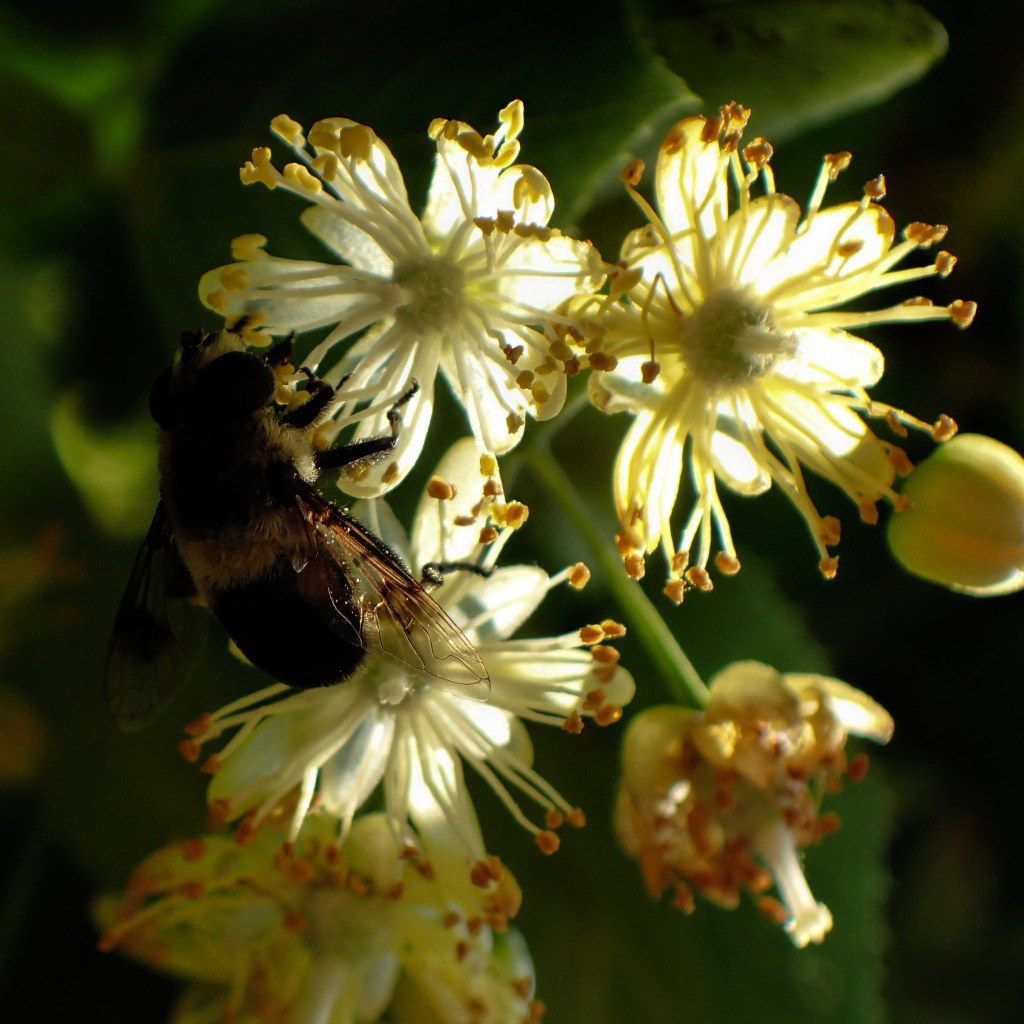
    Did you smell a floral honey-lemon scent wafting on the breeze? You just caught a whiff of the Linden trees in bloom.

    The Linden (Tilia) tree flowers are small, inconspicuous, and a creamy yellow.  Their fragrance is fleeting; they bloom usually for a week or two in mid-to late-June.

    Photo by Thiophene_Guy
    Photo by Thiophene_Guy
    Photo by Hans
    Photo by Hans
    Photo by Falco
    Photo by Falco

    Linden blossom, also known as lime-flower or tilleul in French, is a source of tea and honey. Marcel Proust dipped his madeleine into linden blossom tea and everything came rushing back.
    No sooner had the warm liquid mixed with the crumbs touched my palate than a shudder ran through me and I stopped, intent upon the extraordinary thing that was happening to me. – Marcel Proust, Swann’s Way

    4992216216_552a52a2bb_o
    Photo by Ilena Gecan

    We have several types of Lindens in New York City: American, Silver, and the most popular, Littleleaf. To find Linden trees near you, check out Jill Hubley’s spectacular street tree species maps.

    My favorite spot to smell the Linden blossoms is on the Nethermead in Prospect Park. What about you?


    Share this:

    • Click to share on Tumblr (Opens in new window) Tumblr
    • Click to email a link to a friend (Opens in new window) Email
    • Click to share on Reddit (Opens in new window) Reddit
    • More
    • Click to share on LinkedIn (Opens in new window) LinkedIn
    • Click to share on Pinterest (Opens in new window) Pinterest
    • Click to share on Bluesky (Opens in new window) Bluesky
    Like Loading…
  • Try to Look Up More

    Try to Look Up More

    June 14, 2016

    While walking through Washington Square Park, I looked up and saw an enormous Red-tailed Hawk swoop into a flock of pigeons and snatch one mid-air. The hawk then landed in a nearby tree and proceeded to eviscerate the pigeon. Blood and feathers were everywhere.

    It was early afternoon on a warm spring day; the park was full of people. Students lolled around the fountain, musicians played guitars, people paused for photos under the arch. No one noticed the gigantic hawk and the bloody pigeon.

    I then caught the eye of a man who appeared to be living on a park bench. “Wow,” the man said to me, shaking his head and pointing toward the hawk. “Wow,” I replied.

    We shared a momentary camaraderie. We were the only witnesses.

    You can observe a lot just by watching. – Yogi Berra

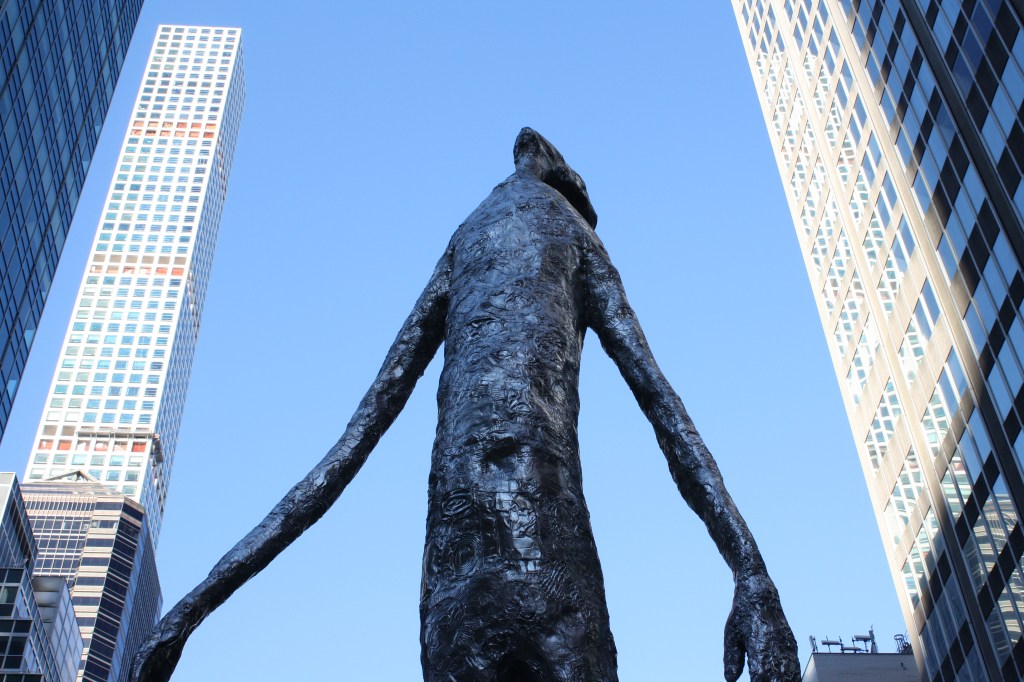
    Tom Friedman's "Looking Up" (2015)
    Tom Friedman’s “Looking Up” (2015)
    2016-02-27 15.56.05
    2016-02-27 16.00.28
    2016-02-27 15.56.32

    Train Your Gaze Higher This Week

    This week I invite you to look up more. If you are new to noticing nature in an urban setting, you might feel a little awkward looking skyward while everyone else is rushing with their heads down. Be brave. Who cares if you look like a tourist in Times Square?

    You may spot overhead this week, even in Midtown :

    • Pigeons
    • Sparrows
    • Starlings
    • Seagulls
    • Hawks
    • Falcons
    • Crows
    • Herons
    • Mockingbirds
    • Butterflies
    • Bees
    • Bats
    • Clouds
    • The Moon
    • Planets
    • Stars

    You can complete this self-assignment on your lunch hour or during your commute. Try taking your own “sky notes” each day. Do you see patterns? Do some locations have more sky activity than others? Are you surprised by your observations?

    It’s fine if you don’t know how to identify the birds or insects or astral bodies you see. By just taking 5 or 10 minutes every day to notice the sky, you will begin to really see what is overhead. You don’t need to know the accurate name of something to notice it.

    Please let me know if you complete this experiment. What did you see?


    Share this:

    • Click to share on Tumblr (Opens in new window) Tumblr
    • Click to email a link to a friend (Opens in new window) Email
    • Click to share on Reddit (Opens in new window) Reddit
    • More
    • Click to share on LinkedIn (Opens in new window) LinkedIn
    • Click to share on Pinterest (Opens in new window) Pinterest
    • Click to share on Bluesky (Opens in new window) Bluesky
    Like Loading…
  • Currently Reading: The Edge of the Sea

    Currently Reading: The Edge of the Sea

    June 12, 2016

    “When we go down to the low-tide line, we enter a world that is as old as the earth itself — the primeval meeting place of the elements of earth and water, a place of compromise and conflict and eternal change,” wrote Rachel Carson in her enchanting book The Edge of the Sea.

    Rachel Carson is known for writing Silent Spring, a groundbreaking exposé of the environmental problems caused by pesticide usage. Less well-known is her writing about the ocean. Carson began her career as an aquatic biologist for the U.S. Fish and Wildlife Service and produced a “sea trilogy” of bestselling books in the 1940s and 1950s: Under the Sea Wind, The Sea Around Us, and finally The Edge of the Sea.

    In The Edge of the Sea (public library), Carson describes the diversity of the U.S. Atlantic coastline. Much more than a field guide, Carson writes with a beautiful clarity about our very human attraction to the seashore and the deeper understanding we can find there.

    Like the sea itself, the shore fascinates us who return to it, the place of our dim ancestral beginnings. In the recurrent rhythms of tides and surf and in the varied life of the tide lines there is the obvious attraction of movement and change and beauty. There is also, I am convinced, a deeper fascination born of inner meaning and significance. – Rachel Carson, “The Edge of the Sea”

    EdgeOfTheSea_cover
    EdgeofSea4
    EdgeofSea5

    Carson first introduces the “patterns of shore life,” the forces that mold life at the shore: surf, current, tides, and even the very waters of the sea.

    Photo May 22, 1 03 38 PM

    EdgeofSea2
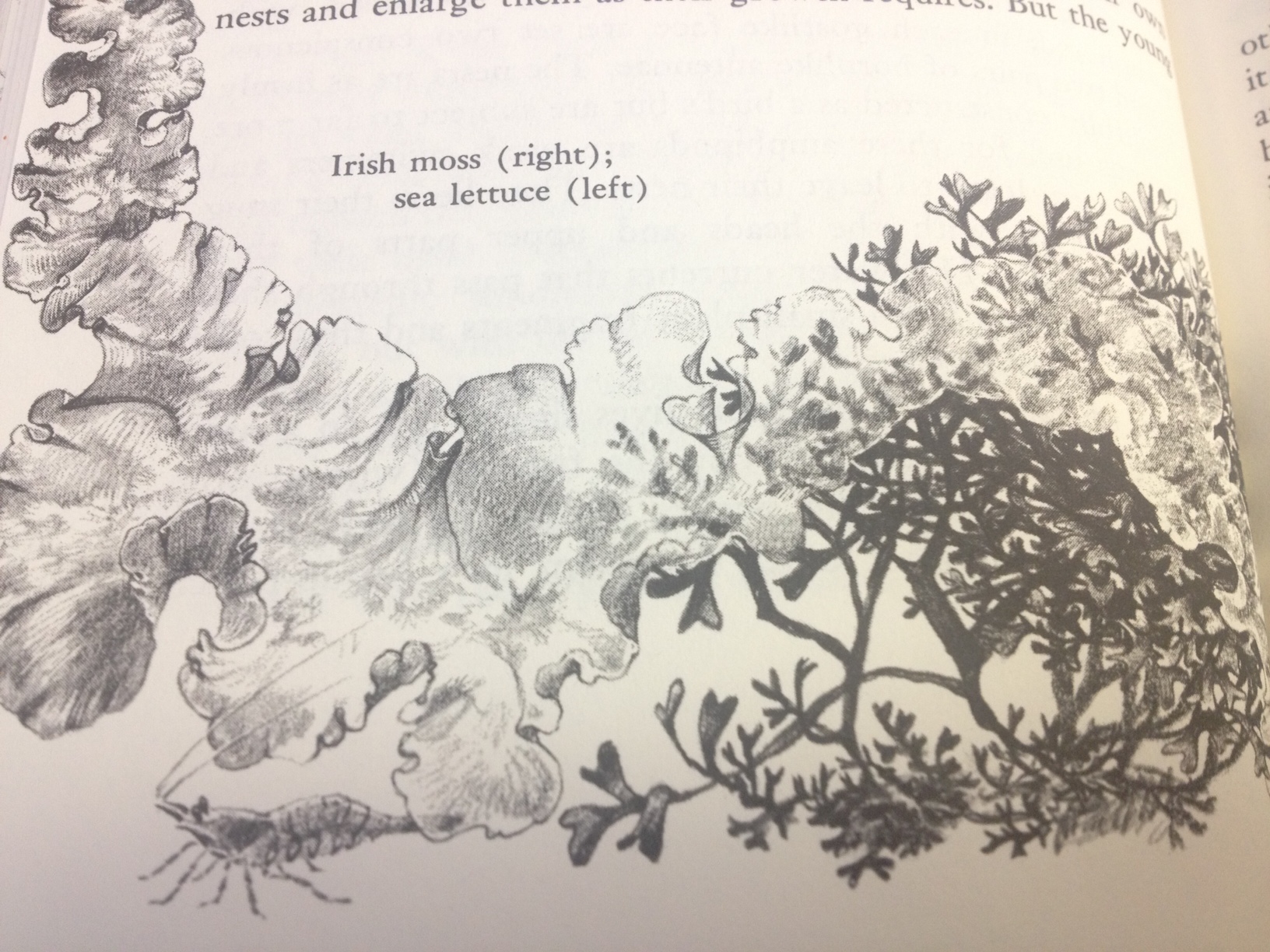
    Bob Hine’s illustrations are a perfect accompaniment to Carson’s descriptions


    Carson then delves into the three basic types of seashores: rocky shores, sand beaches, and coral reefs. The Atlantic coast of the United States is one of the few in the world that provide clear examples of all three basic types.

    Carson writes evocatively of different shorelines from Maine to Florida. She helps her readers look deeply at each of these different ecosystems and to imagine the lives of the plants and animals that live there.

    EdgeofSea6

    Carson proposes that accurately identifying sea life is not enough. We must open our senses and our imaginations to truly understand.

    To understand the shore, it is not enough to catalogue its life. Understanding comes only when, standing on a beach, we can sense the long rhythms of earth and sea that sculpted its land forms and produced the rock and sand of which it is composed; when we can sense with the eye and ear of the mind the surge of life beating always at its shores — blindly, inexorably pressing for a foothold.

    Photo May 27, 2 18 51 PM

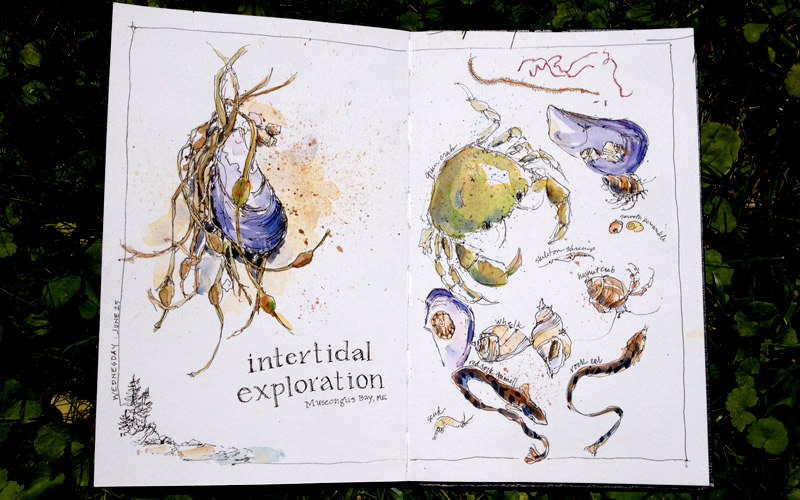
    jeanmackay_intertidal
    Illustration by Jean Mackay

    For those who want to learn more about the marine life found in tide pools, sea caves, sandy shores, and coral reefs of the Atlantic coast, The Edge of the Sea is a wonderful guide. It is grounded in scientific discoveries, though some of the science has gone further in the 60+ years since its publication. Carson’s exquisite writing is timeless – you owe it to yourself to read her work.

    The Edge of the Sea is the perfect companion for your next exploration of tidal pools or when you go beachcombing in the city. It is also makes a good bedtime reading choice when you want to dream about the ocean.

    Have you read this book or others by Rachel Carson? What did you think?

    Also, if you’re looking for more nature reading inspiration, check out these other worthwhile books.


    Share this:

    • Click to share on Tumblr (Opens in new window) Tumblr
    • Click to email a link to a friend (Opens in new window) Email
    • Click to share on Reddit (Opens in new window) Reddit
    • More
    • Click to share on LinkedIn (Opens in new window) LinkedIn
    • Click to share on Pinterest (Opens in new window) Pinterest
    • Click to share on Bluesky (Opens in new window) Bluesky
    Like Loading…
Previous Page
1 2 3 4 5 6
Next Page

Create a website or blog at WordPress.com


Loading Comments...
 

    • Subscribe Subscribed
      • Slow Nature Fast City
      • Join 88 other subscribers
      • Already have a WordPress.com account? Log in now.
      • Slow Nature Fast City
      • Subscribe Subscribed
      • Sign up
      • Log in
      • Report this content
      • View site in Reader
      • Manage subscriptions
      • Collapse this bar
    %d